









 Shopping guides
 Help
 Log in

What is a digital nomad and how to become one?
Article index
In today’s world, where technology is advancing rapidly and globalisation is creating new opportunities, a new way of working is emerging: the digital nomad. If you have ever wondered what it means and how you can become one, you are in the right place. In this article, we will explore the concept of the digital nomad, the different ways to adopt this lifestyle, and the key factors to consider when starting your own journey.
What is a digital nomad?
A digital nomads use digital technologies to work remotely, they live and move freely around the world while maintaining their job or business. The key here is geographic freedom. Work is no longer limited to a desk in a physical office and can be done from anywhere with internet access.
How to be a digital nomad and work remotely around the world
Becoming a digital nomad is not something that happens overnight. It requires planning, preparation, and the ability to adapt to different circumstances. Below, we will analyse basic steps and different ways to approach this professional lifestyle.
- Evaluate your skills and type of work
Identify what skills you can offer in the market that are compatible with remote work. For example, areas such as digital marketing, programming, graphic design, writing, and consulting are highly sought after and easily adaptable to remote work.
If you currently work in a company in person, consider talking to your employer about the possibility of turning your position into a remote job. If you are a freelance or an entrepreneur, you are in an ideal position to start your journey as a digital nomad.
- Get the right tools for remote work
You need a reliable laptop, a solid internet connection, and various tools to organise your work and collaborate with clients or remote teams. Video calls, project management, and cloud storage tools are essential. If you are interested in learning more, I recommend checking out this guide on tools for remote work.
- Consider your living options
Another crucial aspect is deciding how you are going to live and where. Do you want to move constantly from one place to another, or do you prefer to settle in a foreign city for long? Both options are valid but require different planning. Consider the cost of living, internet quality, and visa regulations of each country. Many digital nomads choose popular destinations like Thailand, Spain, or Mexico for their welcoming communities and good infrastructure for remote work.
- Organise your workspace
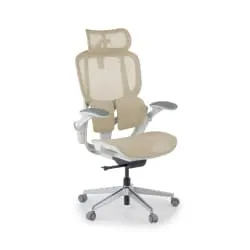
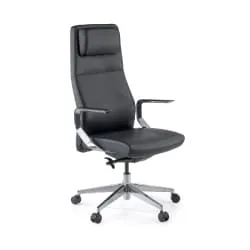
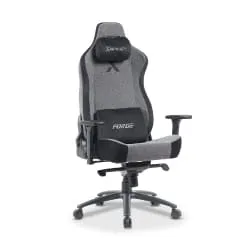
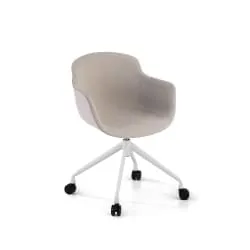
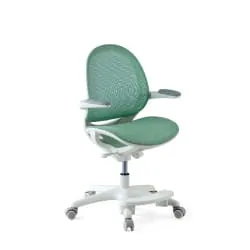
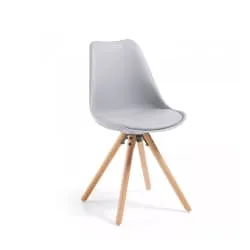
Even though you work from anywhere, comfort is still important. Set up an ergonomic workspace with quality furniture that supports your posture, such as these white Scandinavian chairs or quality upholstered Scandinavian chairs. A comfortable and functional space will help you maintain productivity, especially when working long hours.
Freelance digital nomad
The freelance digital nomad works independently, offering their services to multiple clients or companies. This lifestyle offers great flexibility. However, being freelance also comes with certain challenges, such as the need to constantly seek clients and manage your own time and finances. Additionally, it is important to have an efficient system for invoicing and payments, especially when working with international clients.
Entrepreneurial digital nomad
The entrepreneurial digital nomad manages their own business while travelling the world. This profile suits individuals who want to have greater control over their income and the type of work they do. However, it may involve more responsibility and financial risks than working as a freelancer. Still, many find the freedom to create their own rules and define their success to be extremely rewarding.
Digital nomad employee
Finally, the digital nomad employee works remotely for a company. While they may have a fixed employment contract, they still enjoy geographic freedom. Many companies are now adopting hybrid or fully remote work models, making this option increasingly accessible. The main advantage is job security and financial stability, although it can come with less flexibility in terms of schedules and travel.


