













 Shopping guides
 Help
Help
 Log in
Office and Desk Stools
Desk stools are a practical seating option for offices, home workspaces, counters and shared work areas. Their compact format makes them easy to position beside a desk or raised work surface without taking up as much space as a conventional chair. This selection includes office stools in different heights, designs, finishes and adjustment systems for individual workstations and communal areas.
Depending on the intended use, you can choose ergonomic stools for desks and office workspaces or work and laboratory stools for clinics, workshops and other professional environments. Before choosing a desk stool, check the seat-height range, type of base, mobility, dimensions and expected frequency of use.
 All filters
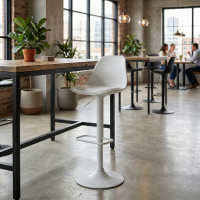
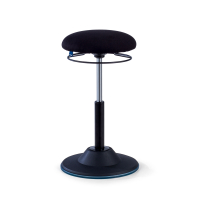
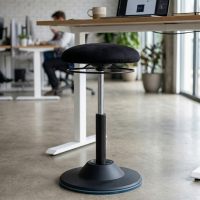
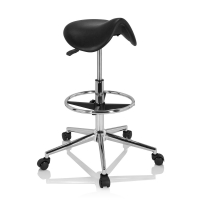
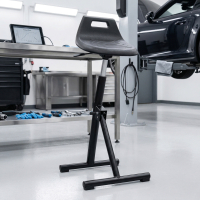
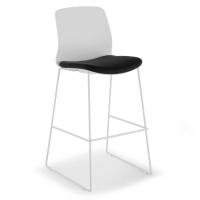
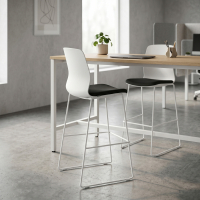
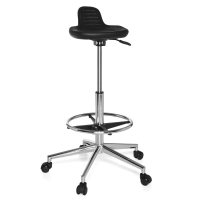
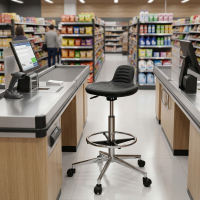
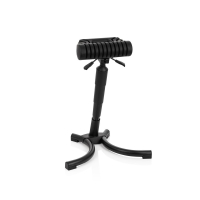
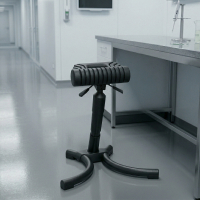
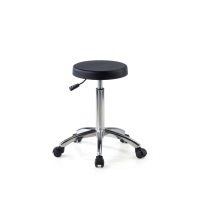
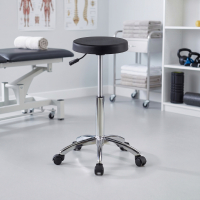
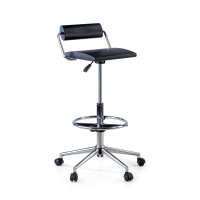
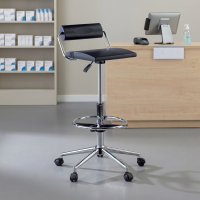
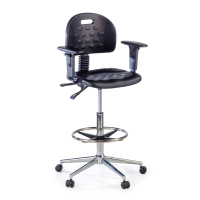
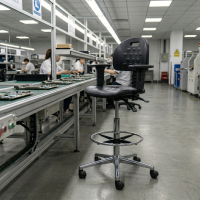
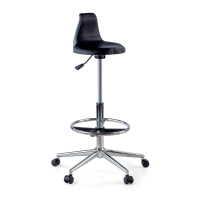
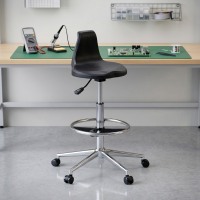
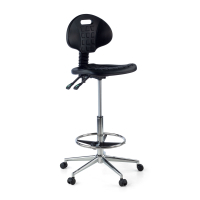

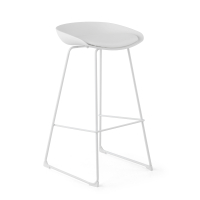

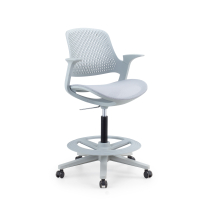

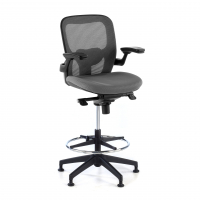
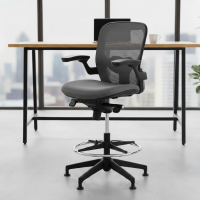
How to choose a desk stool
A desk stool is a practical alternative to a conventional chair for raised desks, counters and work surfaces. Office stools can also suit compact workstations and tasks where the user needs to stand up or move around frequently.
Seat height is one of the most important factors. Compare the minimum and maximum adjustment range with the height of the work surface to make sure the stool can be positioned correctly. An adjustable office stool can be particularly useful at shared workstations or when it needs to accommodate different users.
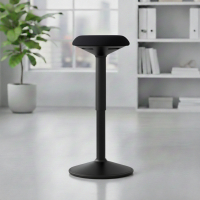
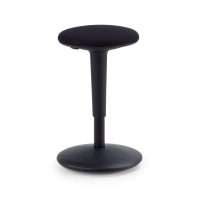
It is also worth deciding whether you need a backrest. Backless desk stools are compact and allow greater freedom of movement, while an office stool with back support may be more suitable when the seat is used for longer periods.
If you are setting up a new workstation, you can combine your stool with one of our desks. Always check the dimensions of both products to make sure the seat-height range and work surface are compatible.
Types of desk and office stools
In this category you will find different types of desk stools depending on the workstation, expected duration of use, required mobility and level of support.
Office stools on wheels
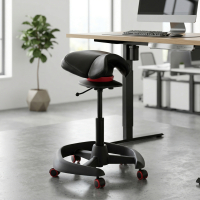
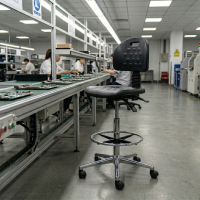
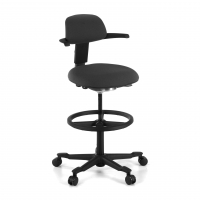
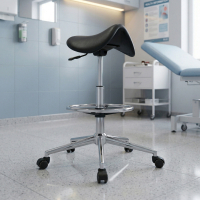
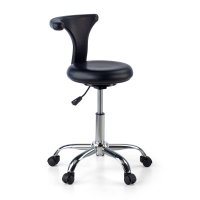
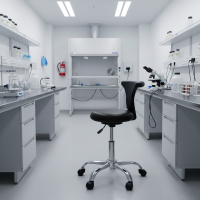
An office stool on wheels can be practical in clinics, workshops, laboratories, shops and other workstations where the user needs to move within a limited area. Check that the castors are suitable for the type of flooring.
Office stools with a backrest
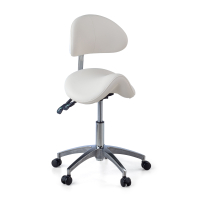
A backrest provides an additional point of support and may be preferable when the desk stool is used for longer periods.
Ergonomic desk stools
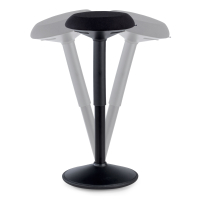
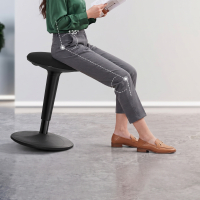
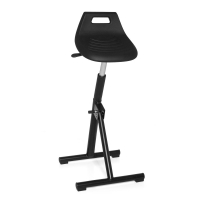
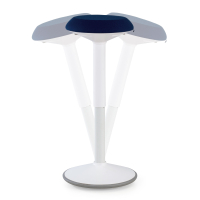
Depending on the model, ergonomic stools may have a dynamic seat or tilting base that allows small changes of position while working.
Tall office stools
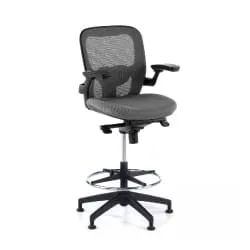
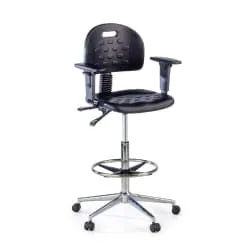
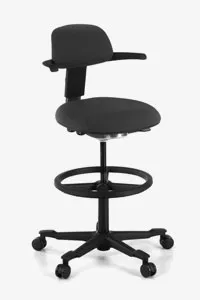
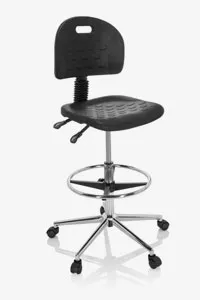
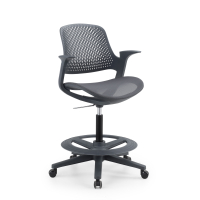
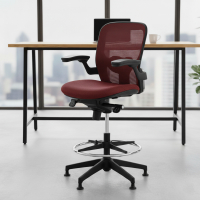
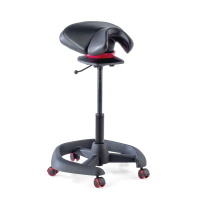
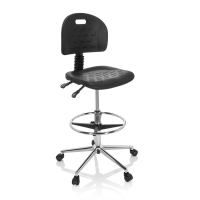
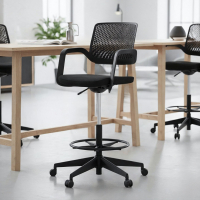
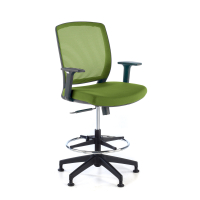
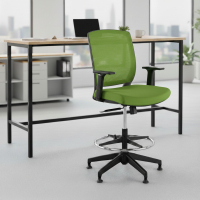
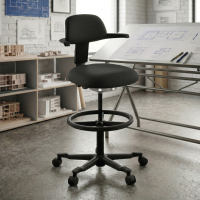
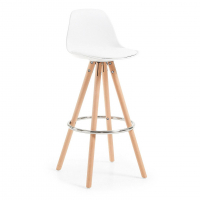
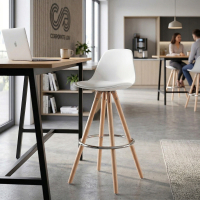
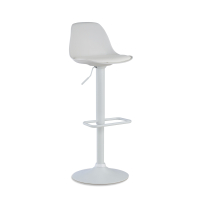
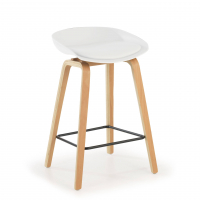
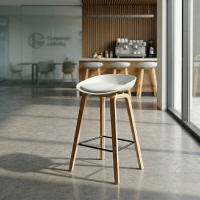
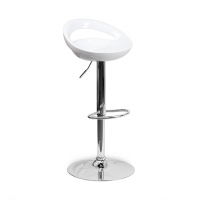
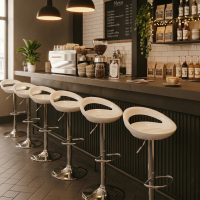
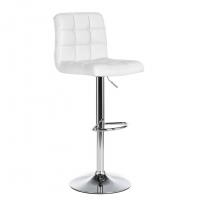
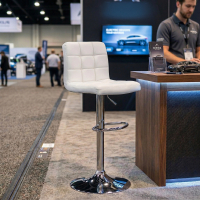
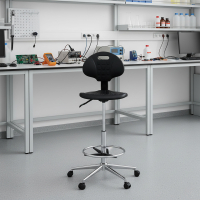
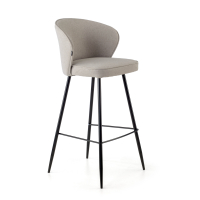
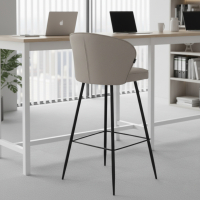
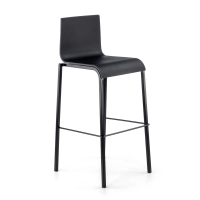
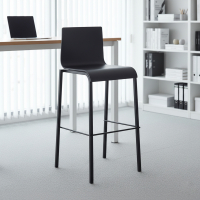
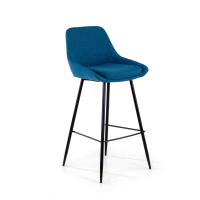
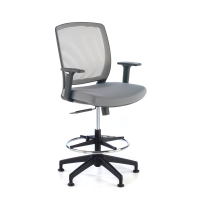
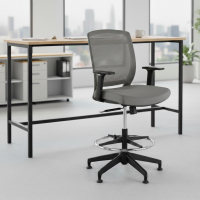
Tall office stools are designed for raised desks, counters and higher work surfaces. Check whether the model includes a footrest and whether its adjustment range suits the workstation.
Upholstered desk stools
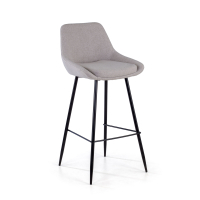
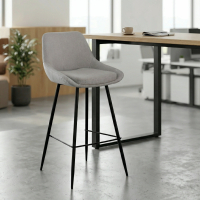
These models feature a padded seat and a finish suited to offices, reception areas and customer-facing spaces. Check the upholstery material and its maintenance requirements before choosing.
Office stools with armrests
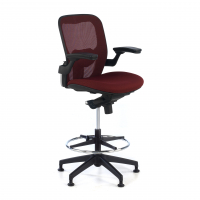
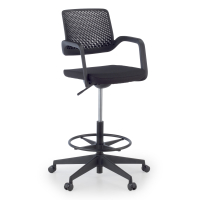
Armrests provide additional support and can give the user a greater sense of stability. Check their height and width to make sure the stool fits beneath the desk or counter.
Before buying, check the adjustment range, base dimensions, presence of a footrest and available space. If the stool will be used frequently, also consider the shape of the seat, the materials and the recommended duration of use.
These products can form part of a broader professional fit-out. In our office furniture section, you will find other solutions for organising offices, reception areas, meeting rooms and shared workspaces.
Benefits of using a desk stool
Many desk stools take up less space than a conventional chair. Their compact format makes them easier to place at small workstations, beneath counters or in areas where the available space is limited.
They can also provide greater freedom of movement for tasks that require the user to stand up or change orientation frequently. An office swivel stool allows the seat to turn, while models with castors make it easier to move within the workstation.
Adjustable models can accommodate different work-surface heights and users. Depending on the model, a backrest, footrest, armrests or padded seat can provide additional support and comfort for specific tasks.
For prolonged work at a raised surface, consider a model with a backrest or a tall chair that provides more complete support. You can browse our selection of office chairs for different workstations or read our guide on when to choose a tall office chair.