















 Shopping guides
 Help
 Log in

What is a coffice
Article index
Imagine walking into a coffee shop, ordering your favourite coffee and sitting down with your laptop to work surrounded by natural light, plants, and the soft murmur of conversations and background music. The surprising thing is that, in that relaxed environment, your productivity soars. Welcome to the world of the coffice, the concept that is transforming the way we understand work and that combines the best of an office with the warmth of a café.
This phenomenon is not just a passing trend: it responds to a real need to make working environments more flexible, fostering creativity, collaboration and wellbeing. If you have ever felt that a coffee shop could be your office for a day and left with more ideas than you walked in with, keep reading and discover all the charm of coffices.
What is a coffice and why are they trending
The term coffice comes from the union of coffee and office and refers to hybrid spaces designed for working without giving up the comfort and social experience of a coffee shop. They can take several forms: from a café adapted for working to offices that incorporate coffee areas inside. That is why they are also known as cafe offices or office cafeterias.
Their popularity is linked to profound changes in work culture: the rise of remote working, hybrid work and the search for more human and stimulating environments. In contrast to the rigidity of the traditional office, coffices offer:
- Less formal and more visually appealing settings.
- Spaces that encourage interaction and spontaneous networking.
- Areas designed for light concentration and creative tasks.
More and more companies integrate coffices within their premises as a strategy to stimulate creativity, strengthen corporate culture and offer added value to employees and visitors. However, there are different types:
- Independent coffices: venues dedicated exclusively to the concept, with coffee and work areas on a subscription or pay-per-time basis. Ideal for freelancers and digital nomads.
- Corporate coffices: traditional offices that incorporate café-style areas to encourage creativity, socialising and internal wellbeing.
- Pop-up coffices: temporary spaces at events or coworkings, perfect for trying out the concept without a long-term commitment.

Advantages of coffices
Betting on a coffice brings benefits both individually and organisationally. It is not just about aesthetics, but about a new way of experiencing work.
- Greater comfort and wellbeing: ergonomic furniture, sofas, large tables and informal areas that reduce stress.
- They stimulate creativity: changing environment activates new ideas and perspectives.
- They encourage socialising: spontaneous conversations, natural networking and cross collaboration.
- They improve productivity: especially for creative tasks, brainstorming and light individual projects.
- They reinforce brand image: modern spaces that show innovation and care for the experience of employees and customers.
For a coffice to work, it is key to have:
- High-speed and stable wifi.
- Office desks with wireless charging.
- Natural lighting and adjustable lamps.
- Quiet zones for concentration and open areas for collaboration.
- Room or desk booking systems through apps.
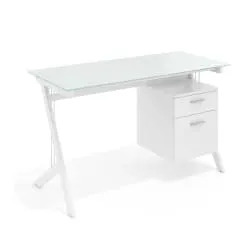
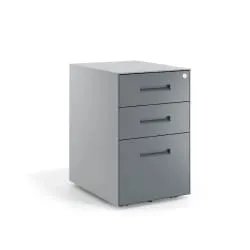
A good design also considers acoustics, plants and sustainable materials, elements that improve concentration and the sense of wellbeing. Therefore, practical storage solutions are recommended, such as a desk drawer unit or a good setup for remote working.

Most famous coffices
The coffice concept has spread throughout Europe, with iconic spaces that combine design, quality coffee and well-thought-out work areas. Here we mention some outstanding examples:
Federal Café (Barcelona)
Federal Café is one of the benchmarks of the coffice in Spain. It offers large tables, good coffee, natural light and a calm atmosphere, ideal for working for hours without the pressure of a traditional office.
Anticafé (Paris)
Anticafé revolutionised the concept by charging for time rather than for consumption. It is designed specifically for working, with unlimited coffee, powerful wifi and rooms for informal meetings.
St. Oberholz (Berlin)
Located in the famous Rosenthaler Platz, St. Oberholz is a meeting point for entrepreneurs, creatives and freelancers. It is one of the best known coffices in Europe and a symbol of modern work.
The Attendant (London)
The Attendant combines a design coffee shop with quiet spaces for working. It is an example of how the coffice concept can be integrated into very dynamic urban environments.
Combo (Milan)
Combo is one of the best known coffices in Italy and a clear example of how to mix work, leisure and culture in the same space. Located in Milan, it combines a coffee shop, coworking areas, cultural events and common areas designed for working in a relaxed but productive way.
Its informal atmosphere, careful design and the possibility of alternating work with social gatherings make it a point of reference for creatives, freelancers and professionals from the digital world.
TQ (Amsterdam)
TQ Amsterdam is one of the most innovative coffices in the Netherlands. It is a space that merges a coffee shop, coworking and a technology hub, strongly oriented towards startups and creative profiles.
It offers open areas for working, good coffee, networking events and an active community, which makes it a perfect example of the coffice concept applied to the Dutch entrepreneurial ecosystem.
The future of the coffice
In a world where hybrid and remote work are becoming established, coffices represent the perfect fusion between comfort, community and professionalism, proving that it is possible to be productive without giving up inspiration and the pleasure of a good coffee.
The concept keeps evolving, integrating more and more with smart offices that incorporate occupancy sensors, adaptive lighting and space booking applications. Some complement the physical experience with a digital community, offering online platforms that allow their members to connect, collaborate and take part in activities even outside the physical space.
If you have not tried it yet, perhaps your next meeting or working day deserves a change of scenery. Your productivity — and your creativity — could surprise you.


