






















 Shopping guides
 Help
 Log in

Techniques to Improve Productivity at Work
Article index
The constant search for greater productivity at work is a challenge that many professionals face day by day. In this context, the implementation of specific techniques and strategies can make a significant difference. Improve your concentration at work and organise your time to get the most out of it.
Here we will explore several of these techniques, highlighting the challenges and benefits of each approach, with the aim of helping you find a balance that fits your work pace and needs.

How to be more productive at work
Schedule your work in time by setting clear goals or sprints
Adopting the sprint methodology involves setting specific goals for short periods, allowing for an intensive and focused approach. This technique is particularly useful for complex projects, as it allows for frequent adjustments and improves team agility. However, it is essential to have good estimation skills and effective planning to avoid frustration and burnout from not meeting overly ambitious goals.
Work in blocks with scheduled breaks
The Pomodoro method, mentioned earlier, is ideal for maintaining concentration and minimising fatigue. Alternating blocks of intensive work with short breaks boosts productivity and keeps the mind fresh. But this method also requires discipline: breaks must be short enough not to lose the thread, and it is crucial to resume the task immediately after the break.
Set priorities for your tasks
Using clear criteria to prioritise tasks is essential. Tools like the Eisenhower matrix, which divides tasks into categories based on urgency and importance, can be extremely helpful. This approach helps avoid the trap of spending too much time on tasks that seem urgent but are not critical to your long-term goals. The challenge here is to maintain a clear vision of your objectives and not get carried away by the urgency of day-to-day tasks.

Organise your workspace
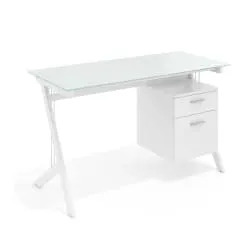
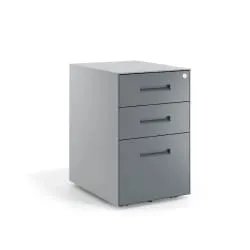
An organised work environment directly contributes to better concentration and less stress. This involves more than just keeping a tidy desk; it is about creating a space that promotes efficiency and well-being. If you have too many things around, buy a desk drawer unit to avoid distractions.
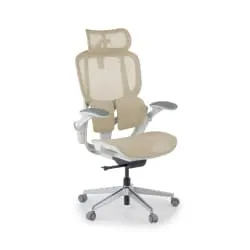
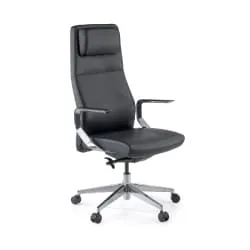
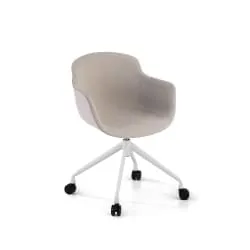
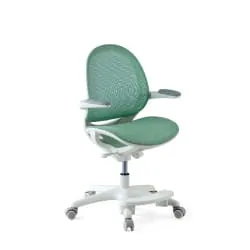
Even aspects like proper lighting and a comfortable chair can significantly increase your productivity. Maintaining order can be difficult, especially under pressure, but the benefits in terms of mental clarity and efficiency are undeniable.
Check your email only at the beginning and end of your workday
Controlling when and how you manage your email can free up hours of productive work. This approach helps avoid the constant distraction of notifications and allows for better time management. The challenge is to effectively communicate to others when you will be available to respond and how they can contact you in case of urgency. Implementing this technique requires a shift in the communication culture both personally and, possibly, throughout the organisation.
Schedule and limit meetings
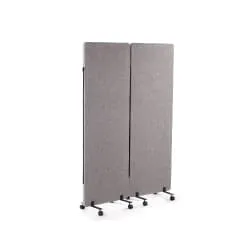
Meetings are necessary, but they are not always managed efficiently. Limiting their duration and frequency, and having clear agendas, can transform unproductive meetings into highly effective work sessions. The office space is fundamental; if you do not have enough space, meetings can become very annoying for the rest of the office.
It is crucial to ensure that all participants understand the purpose of the meeting and contribute actively. The main challenge here is to ensure that times and objectives are respected without cutting off important discussions that may arise.

Optimise your work time
Optimising productivity at work is not just a matter of applying techniques; it is about adapting them to your particular context and being willing to adjust them as your work environment evolves. The key is to find the right balance between discipline and flexibility, so you do not only perform your tasks but also continuously improve your efficiency and satisfaction at work. Are you ready to experiment with these techniques and discover which ones work better for you?


