

















 Shopping guides
 Help
 Log in

How to set up your workspace in the living room
Article index
- Advantages of Working from the Living Room
- How to Choose the Ideal Spot in the Living Room for Your Workspace expand_more
- Decoration and Furniture Ideas for Your Workspace expand_more
- Common Mistakes When Setting Up Your Workspace in the Living Room and How to Avoid Them
- Optimise Your Workspace for Efficient Remote Work
In the era of remote work, creating a comfortable and functional workspace at home is essential. However, many face the challenge of finding the right place within their home for this purpose.
One of the most viable and popular options for placing your desk and office chair is your living room. In this article, we will explore how to set up your workspace in the living room, maintaining a balance between productivity and comfort, and ensuring that your relaxation zone is not affected.

Advantages of Working from the Living Room
Working from the living room offers several advantages over using the bedroom for remote work. Unlike working in the bedroom, where the line between rest and work can become blurred, the living room allows for a clear separation of spaces. Additionally, the living room is often a larger and brighter area, which can contribute to greater productivity and mental well-being. From our experience, it is essential to keep the relaxation area separate from work, and the living room is a much better option in most cases.
How to Choose the Ideal Spot in the Living Room for Your Workspace
The first step to setting up your workspace in the living room is to choose the right spot. It is important to select an area that receives good natural light, preferably near a window. Additionally, consider the layout of the living room and how the space is used. My recommendation is to keep the work area separate from the main area of the living room. A good option is to place the work area at the end of the living room, parallel to the sofa, so that it does not enter your field of vision when you are sitting on the sofa. In wider living rooms, a good idea is to place the work area behind the sofa.
Tips for Keeping the Workspace Separate from the Relaxation Area
Maintaining a clear separation between the workspace and the relaxation area is crucial to avoid distractions and promote productivity. Here are some practical tips:
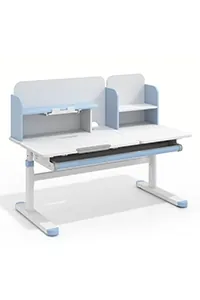
Use multifunctional furniture: A desk with shelves can serve to store office supplies while keeping everything organised.
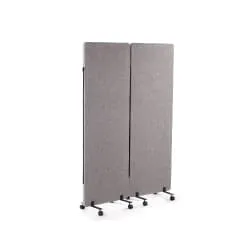
Implement dividers: Use open shelves, screens, or tall plants to create a visual separation between the workspace and the rest of the living room.
Set clear boundaries: Define work hours and keep the work area exclusively for work activities.
Decoration and Furniture Ideas for Your Workspace
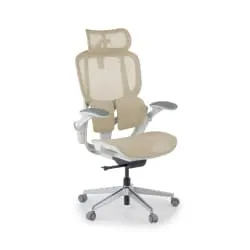
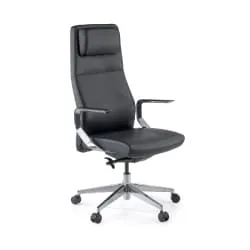
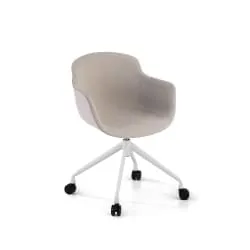
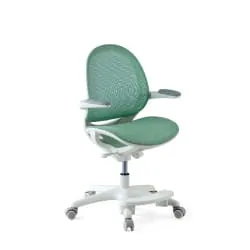
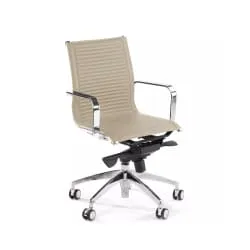
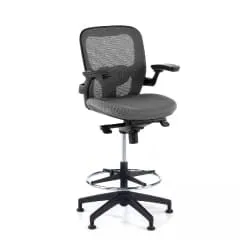
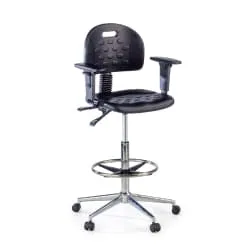
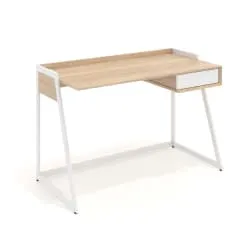
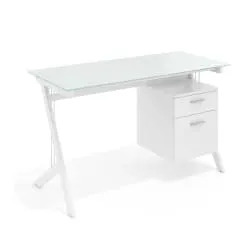
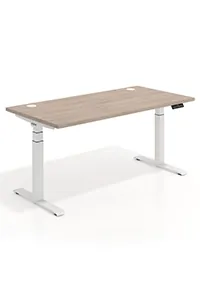
Decoration and furniture are key to creating a workspace that is functional and aesthetically pleasing. Opt for a desk that suits your needs and an ergonomic office chair that provides comfort and boosts your productivity. Additionally, the decoration should be minimalist to avoid distractions, but don't forget to add elements that inspire you, such as paintings, plants, or a designer lamp.

Storage Solutions for an Organised Space
A tidy workspace is essential for maintaining productivity. Here are some storage solutions that can help you:
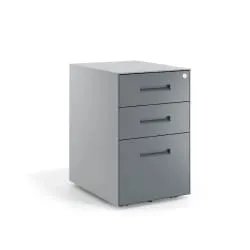
Mobile drawer units: They are practical and can be placed under the desk to save space.
Floating shelves: Ideal for keeping books, documents, and other materials within reach without taking up floor space.
Boxes and organisers: Use decorative boxes to store small items and keep everything in its place.
Proper Lighting for Your Workspace in the Living Room
Lighting is a crucial factor in any workspace. Make sure to have enough natural light during the day and complement it with a good desk lamp for nighttime hours. Bright white light is ideal for keeping you alert and focused. Avoid soft yellow light, as it can induce drowsiness and reduce productivity.
Integrating Your Workspace into the Living Room
For your workspace to harmoniously integrate into the living room, it is important that the style of the furniture and decoration is consistent with the rest of the room. Use colours and materials that complement the existing decor. Additionally, consider using furniture that can be folded or hidden when not in use, keeping the living room tidy and functional.
Common Mistakes When Setting Up Your Workspace in the Living Room and How to Avoid Them
Setting up a workspace in the living room may seem simple, but it is easy to make mistakes that affect your productivity and comfort. Some common mistakes include:
Not properly separating the work and relaxation areas: As I mentioned earlier, keeping these areas separate is crucial. Avoid placing your desk in front of the television or in a spot with a lot of movement.
Choosing uncomfortable furniture: Ergonomics is essential. Make sure your chair and desk are comfortable and suitable for long hours of work.
Not planning for storage: A cluttered workspace can be very counterproductive. Plan your storage from the beginning to keep everything organised.

Optimise Your Workspace for Efficient Remote Work
Setting up a work area in the living room can be an excellent option for those looking for a comfortable place, separated from their relaxation area. With proper planning and the right decisions regarding location, furniture, and decoration, you can create a space that is not only functional but also inspiring. Always remember to keep the workspace separate from the main area of the living room to ensure a balance between your personal and work life. Transform your living room into the best place to work!


