


































 Shopping guides
 Help
 Log in

Advantages and disadvantages of studying online
Article index
In recent years, online education has stopped being a marginal alternative to become one of the main forms of learning. Digitalisation, the improvement of educational platforms and the need for flexibility have driven the growth of distance courses and qualifications. However, although studying online has great benefits, it also presents certain challenges worth knowing before choosing this format.
Whether you are a student, a professional or someone looking to reinvent themselves professionally, understanding the advantages and disadvantages of studying online will help you make the most of this method. In this article we will explore everything you need to know to make the best decision.

Why online teaching is trending
Studying online has become popular for one simple reason: it offers freedom. The learner decides when, where and how they learn, which makes it an especially attractive system for those who want to combine study, work and personal life.
In addition, virtual teaching has improved significantly thanks to interactive platforms, multimedia resources and online learning communities. Today, studying remotely does not mean studying alone: there are forums, personalised tutorials and collaborative spaces that encourage active participation.
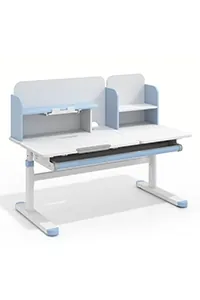
Another key factor is savings. Online education eliminates costs associated with transport or accommodation and allows you to invest in better digital resources or suitable furniture, such as the ideal height of a computer desk to maintain a healthy posture during class or study hours. In addition, having a comfortable and ergonomic study chair can make the difference when it comes to maintaining concentration and wellbeing during long hours of study.
Typical methodology of online classes
Online classes can vary depending on the institution or the type of programme, but they are usually based on a flexible model that combines live sessions, recorded materials and practical exercises. The main features of this methodology are:
- Autonomy: the student manages their own time and learning pace.
- Interactivity: through platforms, chats and video calls that allow constant communication with teachers and classmates.
- Continuous assessment: through tests, projects or forum discussions.
- Digital resources: videos, podcasts, interactive documents and learning simulators.
This format is ideal for young people and adults who value independence, although it is also spreading to earlier educational levels. If your children study online, a good option is to choose children and youth desk chairs adapted to their size and ergonomics.
Advantages of studying online
Time flexibility
Without a doubt, the main advantage of online study is the flexibility it offers. You can access the content at any time and from anywhere, which allows you to organise your learning around your personal or professional needs. This freedom makes virtual study an ideal option for those with tight schedules or family commitments.
Financial savings
Studying online is usually cheaper than face-to-face education. Not only are the costs of transport and printed materials eliminated, but also the living expenses associated with campus life. In addition, many platforms offer free courses or accessible scholarships, making it easier for more people to train without compromising their finances.
Global access to knowledge
Thanks to the Internet, online education allows you to cross borders without leaving home. You can enrol in courses at universities in other countries, access international experts and discover different perspectives, something that was previously reserved only for those who could travel physically. In this sense, virtual education democratises learning and makes it truly global.
Personalised pace
Each student has their own learning pace. This is especially valuable for those who need to review certain topics, resume lessons or do not feel comfortable with rigid schedules. Autonomy not only allows you to progress individually, but also fosters responsibility, discipline and efficient time management.
Development of digital skills
Studying online also boosts essential technological skills. From managing educational platforms to communicating effectively in a virtual way and organising digital information, these skills are increasingly valued in the world of work.
Compatibility with working life
In addition, studying online opens the door to a global community of students and professionals. Forums, working groups and virtual seminars make it easier to build networks of contacts that can be valuable both for learning and for professional development.

Disadvantages of studying online
Lack of personal interaction
Although most platforms include forums, chats and virtual tutorials, online teaching can turn out to be lonely. The absence of face-to-face contact with teachers or classmates limits the creation of bonds, hinders collaborative learning and, in some cases, can affect motivation. Human interaction remains a key component of the educational process that is sometimes difficult to replicate in a digital environment.
Distractions in the home environment
Studying from home sounds comfortable, but it requires discipline and organisation. Interruptions, noise or the lack of a suitable space can affect concentration and reduce performance. Having an ergonomic and tidy environment, as well as establishing clear routines, is essential for learning to be effective.
Technological dependence
Online education depends completely on technology: a stable Internet connection, suitable devices and functional platforms. Any technical failure, from a power cut to a problem with the platform, can interrupt classes or assessments. In addition, not all areas have the necessary digital infrastructure, which can limit access to education.
Self-management of time
Time flexibility can also be a challenge. Without constant supervision, some students may procrastinate, postpone tasks or have difficulty meeting deadlines. Self-discipline, planning and personal organisation are fundamental to making the most of this study format.
Less access to physical resources
Unlike face-to-face education, online students do not always have direct access to physical libraries, laboratories or in-person practicals. This can limit the learning experience in areas that require experimentation, direct interaction or specific resources, such as sciences, art or engineering.
Accreditation problems
Not all online degrees or certificates have the same acceptance as face-to-face ones, especially if they come from less recognised institutions. Before enrolling, it is crucial to verify the reputation of the educational body and the validity of the qualification in the desired professional or academic field.
Online education offers opportunities and flexibility
Online education is an open window to more flexible, accessible learning adapted to modern times. It allows you to study from anywhere, at any time, and to access knowledge that was previously reserved only for those who could travel or afford face-to-face studies. However, this freedom entails responsibilities: it requires commitment, organisation, self-discipline and a suitable environment to make the most of every class, every resource and every virtual interaction.
When good study habits are adopted, the necessary technology is available and a comfortable and tidy space is set up, the advantages of online learning far outweigh its limitations. From developing digital skills to creating global networks of contacts, the opportunities it offers are enormous both personally and professionally.
Ultimately, those who manage to adapt to its challenges discover a world of possibilities to grow, reinvent themselves and learn at their own pace, regardless of borders or schedules. Follow the advice we have given you in this article and get ready to open doors to your development and to new opportunities in every corner of the planet.


