




















 Shopping guides
 Help
 Log in

What is biophilic design and how to implement it in your space
Article index
Have you ever felt more relaxed when surrounded by nature? That instinctive connection we have with natural environments is the foundation of biophilic design. Today we tell you what biophilic design is, its characteristics, why it is so beneficial and, most importantly, how to apply it in your home or office without complications.
What biophilic design is and what its origin is
The term “biophilic” comes from the word “biophilia”, which literally means “love of life”. Biophilic design stems from this idea: that people have an innate need to be in contact with nature. And of course, in an increasingly urban and digital world, bringing natural elements into our interior spaces has become a smart way to reconnect with what is essential.
This approach was popularised thanks to biologist Edward O. Wilson in the 1980s, but it was not until recent decades that biophilic design began to be applied in a more concrete way in architecture, interior design and work environments.

Characteristics of biophilic design
This style goes beyond putting a plant on the desk. It combines visual, sensory and spatial elements that replicate sensations typical of natural environments. Here are the keys:
- Use of natural materials: such as wood, stone or plant fibres.
- Colours inspired by nature: greens, terracottas, earth tones or soft blues.
- Natural lighting: prioritise the entry of light and avoid artificial light whenever possible.
- Presence of real vegetation: potted plants, vertical gardens or urban vegetable gardens.
- Views of natural exteriors: if your window looks out onto a park, you are already halfway there.
- Multisensory elements: water features, soft sounds or textures that are pleasant to the touch.
These elements not only beautify the space, but also improve mood, reduce stress and even increase productivity. That is why more and more offices and homes are adopting it as a need rather than an aesthetic trend.

Ideas to implement biophilic design in your space
Make the most of natural light
One of the first steps is to analyse how light enters your space. Do you have heavy curtains? Furniture blocking the window? Time to reorganise! Prioritise natural lighting and use strategic mirrors to reflect the light and visually enlarge the environment.
Incorporate plants in key places
Add hardy, easy-to-care-for plants, such as pothos, snake plants or ficus. As well as purifying the air, they bring life to the environment. In offices, placing them near the desk can be a good reminder to breathe deeply and take a break.
Use furniture made from natural materials
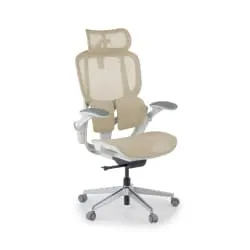
Solid wood, rattan or even cork convey warmth. If you are choosing furniture, lean towards these options rather than plastic or cold surfaces. A tip? Go for ergonomic chairs with natural finishes to improve both comfort and aesthetics.
Build a visual connection with the outside
If you are lucky enough to have views of green areas, make the most of it: open the blinds and direct the furniture towards those views. If not, you can use biophilic design examples such as murals, paintings or nature photographs that evoke a similar feeling.

Think about ergonomics and comfort
Do not forget that design should also take care of your body. Sitting badly for hours can lead to discomfort and injuries. Here it is vital to choose suitable chairs, desks at the right height and a layout that invites movement. Check out this guide on the correct height for your work desk and avoid back pain from sitting badly.
Incorporate natural textures and sensory elements
Jute rugs, cotton blankets, linen curtains… all these textures add up. You can also introduce water features for the relaxing sound of water or essential oil diffusers with natural aromas such as lavender, mint or eucalyptus.
Introduce organic shapes
Avoid excessively straight or cold furniture. Biophilic design draws inspiration from the curves and soft lines of nature. Look for rounded lamps, oval tables or shelves with less conventional shapes.
Design microspaces to relax
Biophilic design is not only for working or living, but also for resting. If you have the space, set up a corner with a comfortable armchair, a plant and good light. It can become your area to read, meditate or simply switch off from the day.
Make small changes, without major renovations
You do not need to do a complete renovation. Changing the location of a plant, opening a curtain or replacing a chair is already a step towards a more natural and harmonious environment. What matters is being aware of how the environment influences your daily wellbeing.
|
Element |
Impact on your space |
Practical tip |
|
Plants |
Purify the air, reduce stress |
Place 1 or 2 near the desk or window |
|
Natural light |
Improves mood and productivity |
Avoid blocking windows and use light curtains |
|
Natural materials |
Add warmth and comfort |
Choose wood, rattan or linen in furniture and textiles |
|
Ergonomics |
Reduces physical discomfort |
Use ergonomic chairs and suitable desks |
|
Sensory elements |
Relax and improve emotional comfort |
Incorporate natural aromas or soft sounds |
Your space can breathe too
Implementing biophilic design is, deep down, a way of taking care of our mental, physical and emotional health. It is not just about aesthetics, but about creating environments that work in our favour. And the best part is that you do not need big investments: a few conscious adjustments are enough to transform how you feel day to day. Are you up for giving it a try?


