




































 Shopping guides
 Help
 Log in

How to set up a comfortable and functional teen study area
Designing a teen study area at home is not just about placing a desk and a chair in the room. The goal is to build a space that is comfortable, tidy and adapted to the student’s routine, where they can concentrate, do homework, use the computer and keep their materials always within reach.
In a teen bedroom, the study corner should combine ergonomics, functionality and style. The chair, the desk, the lighting and the storage directly influence daily comfort. In addition, when the space reflects the teenager’s personality, it is easier for them to use it consistently and keep it organised.
Below you will find practical ideas to build a modern, comfortable and adaptable teen study area, both in spacious bedrooms and in small rooms.
Article index

Ideas for designing a teen study area in the room
A good study area should feel integrated within the bedroom, but also have some visual separation from the rest area. This helps to distinguish study time from the time to sleep, play or unwind.
There is no need for a major renovation. Often it is enough to choose the location of the desk well, take advantage of natural light, pick proportionate furniture and add simple organisation solutions. It is also worth thinking in the medium term: a teenager needs a flexible space, able to adapt to growth, computer use and new study routines.

1. Choose the location of the desk well
Whenever possible, place the desk near a window. Natural light makes the atmosphere more pleasant and helps the study area feel less heavy, especially when a lot of time is spent reading, writing or using the computer.
The ideal is to position the desk perpendicular to the window. This way you take advantage of the brightness without the light hitting the screen directly, avoiding uncomfortable reflections. If you want to explore this layout further, you can check the guide on making the most of a desk under a window.
If the room does not have enough natural light, artificial lighting will be key. It is advisable to combine a general ceiling light with an adjustable desk lamp. It should illuminate the work surface without creating shadows over the notes or dazzling the student.
Checklist to set up a practical teen study area
| Element | Impact | Recommendation |
|---|---|---|
| ✓ Lighting | Improves visual comfort and makes the space more pleasant. | Combine natural light, general lighting and an adjustable desk lamp. |
| ✓ Chair | Helps maintain a more comfortable posture during study hours. | Choose a stable, adjustable chair suited to the student’s height. |
| ✓ Desk | Lets you work with a computer, books and notes without feeling cramped. | Pick a surface proportionate to the size of the room. |
| ✓ Organisation | Reduces distractions and makes it easier to keep a study routine. | Use drawers, shelves and organisers to clear the desk. |
| ✓ Technology | Aids learning, but can generate clutter or distractions. | Separate the digital area from the space for writing, reading or reviewing. |
| ✓ Personalisation | Boosts motivation and makes the young person feel the space is their own. | Decorate with a few well-chosen items and avoid overloading the desk. |

2. Choose a comfortable chair adapted to growth
The chair is one of the most important elements of a teen study area. During the school and teenage years, it is common to spend many hours sitting between homework, projects, reading and computer use. That is why a chair that is too low, rigid or unstable can end up causing discomfort.
The recommended option is to choose a chair that allows good back support, keeps the feet in a stable position and adjusts the height according to the desk and the young person’s stature. For children’s or teen rooms, you can check specific models of children’s and teenagers desk chairs.
If choosing the chair is a priority, it can also be useful to look at this selection of teen chairs for studying. That way this article keeps its focus on the decoration and layout of the space, without competing directly with a buying guide.

3. Choose a desk proportionate to the available space
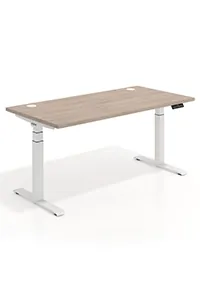
The desk should have enough surface to study comfortably. At a minimum, it should allow you to place an open notebook, some books, a lamp and, if used, a laptop or monitor. A desk that is too small forces you to remove materials constantly and ends up creating clutter.
In small teen bedrooms, compact desks or those with integrated storage can be a good solution. Straight and lightweight desks also work well, because they do not visually overload the room. For this type of space, you can consider teen desks that match the age and needs of the student.
Besides the surface, check the height of the desk. The posture should allow studying without hunching the back, raising the shoulders or straining the wrists when writing or using the keyboard.

4. Keep order with simple storage solutions
A teen study area works better when everything has its place. Notebooks, books, pens, chargers and school supplies can pile up quickly if there are no basic organisation systems.
To avoid this, it is advisable to combine several resources: drawers, trays, shelves, pen holders and small boxes. The most practical rule is to leave on the desk only what is needed for the task at hand. The rest can be stored nearby, but off the main work surface.
If the room does not have much storage space, a compact drawer unit can be very useful to free up the desk without losing access to daily materials. You can check options for desk drawer units to complete the study area without taking up too much space.
It is also important to manage the cables from chargers, lamps, computer or tablet. A desk with visible cables conveys a sense of clutter and can be uncomfortable. To solve it, you can rely on this guide on how to manage cables on the desk.

5. Integrate technology without turning it into a distraction
Technology is part of studying today. Computer, tablet, headphones, chargers and, in some cases, a second screen can be useful tools to learn, look for information or prepare projects.
The problem appears when all these elements take up the whole desk and there is no room left to write, read or review notes. That is why it is advisable to divide the desk into two areas: a digital one, with the computer and accessories, and a freer one for notebooks, books and exercises.
If the room is also used for gaming, it is worth finding a balance between leisure and study. An attractive setup can motivate, but it should not become a constant source of distractions. In that case, you can check ideas to build a gamer setup designed to play and study.

6. Personalise the space without overloading it
A teen study area does not have to be cold or boring. In fact, the more the teenager identifies with their space, the easier it will be for them to look after it and use it regularly.
The key lies in personalising in moderation. Prints, a small plant, a board, a lamp with a nice design or details in their favourite colour can add personality without saturating the desk.
Neutral tones work very well as a base because they convey order and spaciousness. Then you can add details in blue, green, soft yellow, black, white or wood, depending on the style of the room. What matters is that the decoration accompanies the study, rather than competing for attention.

7. Think of a flexible area that can change with age
A teen study area should be able to adapt. Needs change over time: first you need space for homework and crafts, and later for computer, books, notes, exams and perhaps an additional screen.
That is why it is advisable to choose versatile furniture. An adjustable chair, a large desk and modular storage solutions allow you to update the space without completely renovating it every few years.
Before buying furniture or changing the layout, measure the room well. It should be easy to sit down, stand up, open drawers and move around without obstacles. A comfortable space does not depend only on the furniture being nice, but on it fitting well into the daily routine.

And what if you need to set up a children study area?
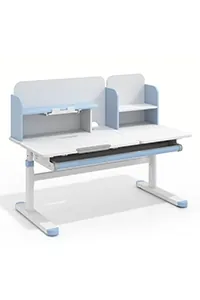
Although this article is mainly focused on a teen study area, many ideas can also be applied to a children study area. The difference lies in the age, the autonomy and the type of activities.
In a children area, the space should be simpler, more visual and accessible. It is useful for the materials to be at the child’s height, for the chair and the desk to adapt well to their size and for the desk not to be overloaded with objects. In contrast, in a teen room the computer, concentration, storage of notes and personalisation of the space usually become more important.
That is why, if the user is still small, it is advisable to prioritise safety, accessibility and visual order. If they are already a teenager, it is better to opt for a more autonomous corner, with adjustable furniture, good lighting and enough space to study with a computer.

The importance of designing an adapted study area
Dedicating time to designing a teen study area is an investment in comfort, autonomy and organisation. A well-planned space helps to build routines, reduces distractions and allows the student to work in an environment designed for their real needs.
It is not about having a perfect room, but about building a corner that is practical, comfortable and coherent with their age. If the area has good light, a suitable chair, a functional desk and enough order, it will be much easier for studying to become part of their daily life without turning into an uncomfortable obligation.


