

















 Shopping guides
 Help
 Log in

Office architecture: trends and key points to consider
Article index
The design of an office is much more than the arrangement of desks and chairs. The architecture of offices plays a crucial role in productivity, employee well-being, and company culture. From decisions about the exterior architecture to the details in the interior design, every aspect influences the experience of those who work within those spaces. Throughout this article, we will explore the fundamental keys you should consider when designing a modern office and how to balance different trends to achieve a functional and attractive space.
Key considerations in office architecture
The architecture of an office has a direct impact on how employees interact with the space, how they communicate, and how they perform in their everyday tasks. It is not just about aesthetics; it is essential to create an environment that promotes both productivity and well-being. When designing an office, it is important to think about how spaces are used, workflow, natural light, and common areas. Here are some key elements that should not be missing in the design of such an office:
- Functionality and flexibility: Modern offices must be flexible spaces that adapt to different needs. Nowadays, many employees alternate between remote and in-person work, which requires a design adaptable to different working styles, such as adjustable desks, collaborative areas, and privacy zones. This concept is reflected in corporate offices, where efficiency and comfort are essential.
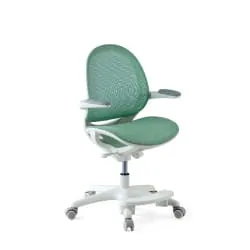
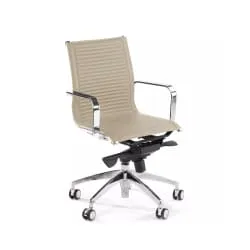
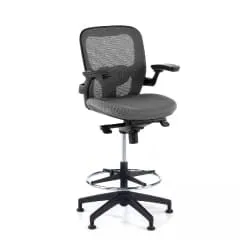
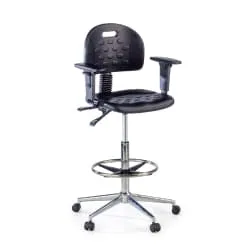
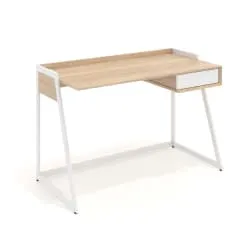
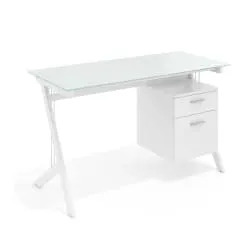
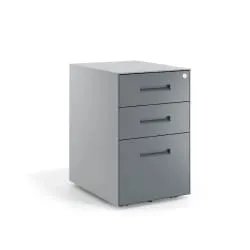
- Ergonomics: We cannot forget the importance of comfort. Office chairs, tables, and other furniture must be ergonomic, ensuring good health and well-being of employees. While some elements like the office drawer or desk may seem like small details, having suitable furniture can significantly impact employees’ daily comfort and productivity.
- Aesthetics and design: A well-designed office must not only be functional but also attractive. The office design architecture has moved away from old monotonous offices, evolving into modern, innovative, and pleasant spaces. Colours, textures, and layout must combine to create an environment that inspires creativity and focus.
- Common areas and rest: The design should not focus solely on workspaces. Leisure areas and break rooms have become key elements to promote relaxation and socialisation among employees. Spaces like these allow employees to disconnect, contributing to greater productivity and overall satisfaction.

Exterior architecture of offices
The first contact that employees, clients, and visitors have with the office is through its exterior architecture. This aspect has both an aesthetic and practical function, as it gives a first impression of the company while protecting the interior from the external factors. When designing the exterior of an office, it is necessary to consider:
- Visually appealing design: The facade should be striking and reflect the company's image. Modern offices often incorporate materials like glass and steel, which are not only aesthetically pleasing but also functional in terms of insulation and energy efficiency.
- Accessibility and circulation: The exterior must be accessible to everyone, considering the inclusion of ramps and wide spaces to facilitate access. A design that facilitates the circulation of people also makes workflow more efficient.
- Energy efficiency: Sustainability is a trend that continues to gain strength. Designing a building that harnesses solar energy, has natural ventilation systems, and uses recyclable materials is not only a good ecological practice but also reduces long-term operating costs.
Examples of trends in exterior office architecture
The exterior architecture of offices has evolved to combine design, sustainability, and efficiency. Current trends seek not only to improve aesthetics but also to optimise energy consumption and comfort in workspaces.
- Green buildings: Incorporation of vertical gardens, green roofs, and solar panels.
- Ventilated facades: To improve energy efficiency and acoustic insulation.
- Biomimetic designs: Inspired by nature, using shapes and materials that enhance energy efficiency.

Interior architecture of offices
Upon entering an office, the interior environment should be welcoming and designed to foster productivity. The interior architecture of offices has transformed in recent years, adopting a more holistic approach that combines comfort, functionality, and technology. Some of the highlights you should consider are:
- Space distribution: The way spaces are distributed influences employee performance. Modern offices tend to create open areas that promote collaboration, but it is also necessary to include private zones for those who need concentration. Hybrid spaces, such as break rooms in the office, can serve both informal meetings and relaxation moments.
- Natural and artificial lighting: Light is one of the most important factors in office design. Natural light improves employee well-being, increasing productivity and reducing visual fatigue. However, combining it with appropriate artificial lighting is also important for times when natural light is not available.
- Integrated technology: Modern offices incorporate advanced technology to enhance efficiency. From smart climate control systems to interactive screens and space management software, technology should be seamlessly integrated into the design to avoid interfering with the aesthetics of the space.
Examples of trends in interior office architecture
- Collaborative spaces: Common areas where employees can meet and share ideas. These spaces are often equipped with comfortable and versatile furniture.
- Biophilic offices: Incorporate natural elements such as plants and organic materials, contributing to stress reduction and improved well-being.
- Ergonomic furniture: Furniture should not only be functional but also comfortable for the body, promoting healthy postures and preventing muscular problems.

Balance between aesthetics and functionality
The design of modern offices must balance various factors. The architecture of modern offices has become a complex field where energy efficiency, comfort, and collaboration are essential. Additionally, it is crucial to think about how design decisions will affect employee well-being and how these, in turn, will impact performance and company culture.
To make well-informed decisions, it is essential to consider not only current trends but also the specific needs of the company and its employees. Properly implementing these aspects will not only improve the quality of work life but also enhance productivity and innovation within the office.
In conclusion, the architecture of modern offices is not just about designing a beautiful space but about creating an environment that fosters creativity, collaboration, and efficiency. Is your office ready to adapt to new trends?


