

































 Shopping guides
 Help
 Log in

What is a corporate office
Article index
In today's business world, the corporate office plays a crucial role. But what exactly is a corporate office? In simple terms, it is the main operations center of a company where strategic decisions are made and the overall functioning of the organisation is coordinated. These offices typically house senior executives and key administrative staff, making them the brain of any corporation.

Corporate Offices: When and Why Did They Arise and Why Are They Becoming More Common?
Corporate offices began to gain popularity in the late 19th and early 20th centuries, with the growth of large companies and industrial conglomerates. The need to centralise decision-making and coordinate operations across various locations drove to the creation of these nerve centres. With the advancement of globalisation and technology, corporate offices have become even more vital.
Today, corporate offices are evolving and adapting to new work models. The COVID-19 pandemic accelerated the adoption of remote work, leading many companies to reconsider the structure and function of their main offices. Now, corporate offices are not just workplaces, but spaces to foster collaboration, innovation, and employee well-being.
What Makes Corporate Offices Special?
Corporate offices are more than just simple workspaces. These offices are designed to optimise efficiency, promote creativity, and facilitate communication among employees. Additionally, they are often equipped with cutting-edge technology, from advanced communication systems to automation solutions.
One of the standout features of corporate offices is their ability to reflect the culture and values of the company. A well-thought-out design can enhance staff morale and productivity, while a poor work environment can have the opposite effect.
Where Are Corporate Offices Located?
The location of a corporate office is strategic. Companies often choose locations in large cities or important financial centers, such as New York, London, Tokyo, or Singapore, where they have access to a wide range of resources, from skilled talent to efficient transportation infrastructure.
However, the recent trend towards decentralisation and remote work has led some companies to consider locations in smaller cities or even rural settings. This can not only reduce costs but also improve the quality of life for employees, avoiding the stress associated with commuting in large cities.
Architecture, Layout, and Spaces of Corporate Offices
The architecture of a corporate office can vary significantly depending on the company and its industry. However, there are certain common elements that many share. Modern offices tend to be open spaces that encourage collaboration and communication. It is also common to find areas dedicated to informal meetings, such as cafes and break rooms.
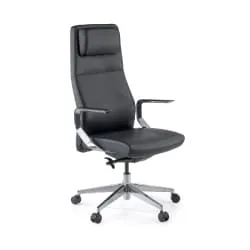
For example, many corporate offices use black stools in common areas to foster a more relaxed and casual environment. Likewise, in individual work areas, white desk chairs are preferred for their ergonomic design and ability to enhance concentration and comfort for employees.
The layout of spaces within a corporate office also plays a crucial role. A good design can facilitate workflow and minimise distractions. Many companies opt for a combination of open and private spaces, allowing employees to choose the environment that best suits their needs at any time.

Employee Well-Being in the Office
Employee well-being is an increasing priority in modern corporate offices. Companies are recognising that a healthy and comfortable work environment not only improves employee satisfaction but can also increase productivity and reduce absenteeism.
Corporate offices often include features such as natural lighting, green areas, and ergonomic furniture to support the physical and mental health of employees. Additionally, many companies are implementing wellness programs that range from yoga classes to access to mental health services.
In summary, a corporate office is not just a place where administrative tasks are performed; it is a carefully designed environment that has a significant impact on the functioning and success of the company. By considering architecture, location, and employee well-being, companies can create spaces that not only support their operations but also foster a positive and productive corporate culture.
When making decisions about the design and location of a corporate office, it is crucial to consider how these factors will impact the company in the long term. Balancing the need for an efficient workspace with employee well-being can be a challenge, but it is essential for the sustained success of any organisation. What do you think about the evolution of corporate offices and their impact on the modern work environment?


