



















 Shopping guides
 Help
 Log in

Postural hygiene while standing at work
Article index
Spending long hours standing may seem harmless, but the truth is that an inadequate standing posture can bring you a good number of long-term health problems. And we’re not just talking about fatigue: back pain, circulatory issues, or even chronic injuries are some of the consequences. That’s why today we’re going to talk about standing postural hygiene at work, how it affects your body, and what you can do to protect it.
What is postural hygiene and how does it affect standing
Postural hygiene is basically the art of taking care of how we position ourselves while performing our daily activities. It’s that simple. If you do it wrong, in the long run, your body will pay the price. Now, when we talk about correct standing posture, things get a bit more complicated because maintaining good body alignment without the support of a chair can be quite a challenge.
Did you know that the way you stand can directly influence your mood and energy? An upright posture not only improves your health but also makes you feel more confident and active. In contrast, a bad standing posture can lead to muscle tension, joint pain, and extreme fatigue.
In this sense, we recommend taking a look at the importance of postural hygiene at work to better understand how small changes can have a giant impact on your health.

What is prolonged standing and how does it affect us
Prolonged standing sounds very technical, but it’s nothing more than being on your feet for a long time. And although it may not seem like a serious problem at first glance, it can actually have quite bothersome effects on your body.
What happens when you spend hours standing? Blood circulation slows down, causing swelling in your legs and feet. Additionally, the muscles become overloaded by supporting the body’s weight without rest, and the back starts to suffer due to the continuous pressure on the spine. If this situation persists over time, you could develop varicose veins, joint problems, or even chronic lower back pain.
That’s why, although standing is a part of many work routines and daily activities, it’s important to know the risks and take measures to minimise them. Below we summarise the main effects:
Standing Time | Common Effects | Long-Term Consequences |
1-2 hours | Mild fatigue | Improves with rest |
3-4 hours | Swelling in legs | Venous problems |
5+ hours | Back pain, foot pain | Chronic injuries |
The key is to find a balance. Neither spending the entire day sitting nor completely standing. Ideally, you should alternate between sitting (even better if it’s in quality office chairs) and moving frequently.

Basic recommendations for maintaining correct postural hygiene while standing at work
Now that you know how important it is to take care of your standing posture, let’s take action. Here are some basic recommendations to prevent your body from suffering:
Adopt an upright but relaxed posture
When you’re standing for a long time, it’s key to maintain an adequate posture to avoid discomfort. Place your feet shoulder-width apart, distribute your weight evenly between both feet, and keep your knees slightly bent. Avoid being rigid like a stick or leaning to one side.
The idea is to be upright but relaxed. Imagine that an invisible thread is gently pulling the top of your head towards the ceiling: your body elongates, your back aligns, and your posture remains natural, without effort. Small adjustments like this can make a big difference in how you feel at the end of the day. And yes, it’s easier than it seems!
Change your posture frequently
Staying in the same position for a long time is a silent enemy of your body. Even if you’re well positioned, remaining static can affect circulation and overload muscles and joints.
To avoid this, make small changes every 20 minutes: move your legs, shift your weight from one foot to the other, slightly bend your knees, or take a few steps. Even gently swaying from side to side helps. Your circulation, your joints, and your back will be grateful, soon you’ll also feel much more agile and less tired at the end of the day.
Wear appropriate footwear
Flat, comfortable shoes that provide good support are essential. High heels or very thin soles increase pressure on the back and knees. If you want to avoid back problems, start by taking care of your feet.
Adjust your workspace
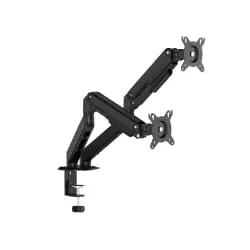
Do you work standing in front of a computer? Then you need to pay special attention to your correct posture at the computer. The screen should be at eye level and the keyboard at a height where your elbows form a 90-degree angle. Here you can see more recommendations on the correct posture at the computer.
Perform periodic stretches
Set an alarm every hour and take five minutes to stretch your arms, neck, back, and legs. Stretching helps relieve accumulated tension and prevent future discomfort.
Take care of your posture
Postural hygiene should not be something you leave for "when you have time." The truth is that every minute you spend in a bad position counts. Adopting good habits not only prevents pain and illness but also improves your daily performance and well-being. What’s the key? Listen to your body, adapt your environment, and make small changes that can make a big difference. And remember: your body is your most valuable tool. Take care of it!


