






















 Shopping guides
 Help
 Log in

The problems of a sedentary lifestyle in the office and how to avoid it
Article index
We spend much of our working life sitting in front of a computer, and it is taking a toll on our health. A sedentary lifestyle in the office has become one of the most silent risks of the modern work environment: long motionless hours, repetitive movements and almost no physical activity during the day affect both the body and the mind.
Digitalisation, remote work and the rise of administrative jobs have drastically reduced daily movement. Although working while seated may seem harmless, spending 7 or 8 hours a day in the same posture has effects that build up over the years and are not always noticed until physical or metabolic problems have already set in.

Office work is very sedentary
The World Health Organization (WHO) ranks physical inactivity as the fourth risk factor for mortality worldwide, responsible for around 3.2 million deaths every year. In Europe, more than 40% of adults do not meet the minimum recommended levels of physical activity, and much of this deficit is directly related to office life: hours in front of the computer, endless meetings, constant calls and digital tasks that limit any movement.
The problem gets worse because many workers extend their sedentary lifestyle outside working hours: watching television, browsing on the phone or spending long hours seated reinforces the negative effects of work. In addition, the office environment is designed to keep us in a static position: computer, phone, long meetings and digital tasks set the pace of the day. Even when a suitable desk is available, the lack of active breaks turns the day into a marathon of inactivity that takes a toll on the body.
Fortunately, some leading companies are integrating movement into the working day: guided stretching sessions, spaces for walking, high tables in meeting rooms or walking meetings. These initiatives not only improve employee health but also increase productivity and reduce absenteeism due to musculoskeletal problems.
The problems of a sedentary lifestyle in the office
A sedentary lifestyle in the office can cause various health problems. Although some effects appear in the short term, such as muscle stiffness, others develop progressively and can turn into chronic disorders.
Among the main problems associated with sedentary work are:
- Lower back and neck pain: staying seated increases the pressure on the intervertebral discs and weakens the stabilising muscles. On top of that, tension in the neck and shoulders intensifies due to the posture in front of the screen.
- Stiffness and muscle tension: shoulders, arms and legs suffer from the lack of movement, which causes discomfort and even muscle knots.
- Poor circulation: inactivity in the legs can cause swelling, a feeling of heaviness and encourage the appearance of varicose veins.
- Mental fatigue and reduced concentration: a sedentary lifestyle also affects cognitive function, causing a feeling of exhaustion and a decline in performance.
- Metabolic and cardiovascular risks: less movement means lower calorie expenditure, a higher risk of weight gain, high blood pressure and cardiovascular disease.
Back pain is one of the most frequent symptoms. Staying seated for hours increases the pressure on the intervertebral discs and weakens the stabilising muscles. Tension in the neck area is also common, due to poor screen placement or hunched postures.
Another important problem is poor circulation in the legs. The lack of movement can bring about a feeling of heaviness, swelling and even encourage the appearance of varicose veins.
In addition, sedentary work affects the metabolism. Staying many hours without activity reduces calorie expenditure and can contribute to the development of metabolic diseases. For this reason, more and more experts recommend incorporating active breaks and small movements throughout the day.

How to avoid a sedentary lifestyle in the office
Moving around the office does not mean interrupting your work or adding extra obligations: it is about small strategic changes that keep your body awake, your mind alert and your energy at its peak throughout the day. Below we give you some useful tips.
Take active breaks every hour
Getting up at least once every 60 minutes is essential. Just walking for two or three minutes, stretching your arms and legs or going over to talk to a colleague instead of sending a message is enough. These breaks help reactivate circulation and reduce muscle stiffness.
Add simple exercises at your workstation
There are many exercises for the office that can be done without any additional equipment. Shoulder rotation movements, neck stretches or heel raises activate the muscles and reduce accumulated tension.
You can also do exercises to do while seated, especially useful at times of heavier workload. Although they do not replace regular physical activity, they help counter the immediate effects of a sedentary lifestyle.
Alternate between sitting and standing
Changing posture throughout the day reduces the strain on the lower back. If possible, it is advisable to alternate periods of sitting with periods of working while standing. Even small postural variations decrease the pressure on the back.
“Active meetings”
Staying standing during short meetings forces the body to move slightly, improves posture and increases concentration. In addition, you can do:
- Short walks while discussing topics: for meetings that do not require a screen or complex documentation, walking together along the corridor or around the office stimulates creativity and improves circulation.
- Brainstorming on the move: turning brainstorming sessions into activities where participants change places, draw on mobile whiteboards or write on sticky notes while moving around creates a more active and collaborative environment.
- Strategic micro-breaks during long meetings: every 30-40 minutes of a meeting, taking a 1-2 minute break to stretch or walk a little helps reduce physical and mental fatigue, keeping attention throughout the whole meeting.

Improve your workstation ergonomics
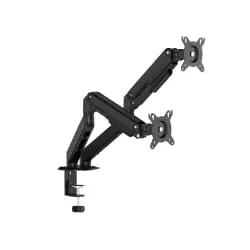
A well-configured environment encourages movement and prevents discomfort. Correctly adjusting the height of the chair, the screen and the desk allows you to keep a more natural posture and reduce unnecessary tension. You can also integrate elements such as:
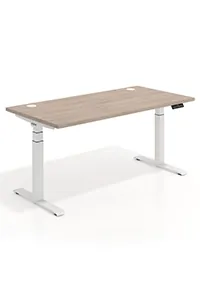
- Adjustable desks (sit‑stand desks).
- Stability balls to activate the postural muscles.
- Elastic bands to exercise shoulders and arms while seated.
Encourage active habits outside working hours
Fighting a sedentary lifestyle in the office also means adopting a more active lifestyle outside work. Walking, playing sport or simply reducing screen time helps balance the impact of the working day.
Set movement reminders
Using alarms or apps that remind you to get up and move can be an effective strategy. Many people are not aware of how much time they spend seated until they start using this kind of tool.
Strategic hydration
Drinking water regularly forces you to get up from your chair several times a day, as well as improving concentration and metabolism.
Conscious breaks or “mindful movement”
Incorporating deep breathing, gentle mobility and conscious stretching helps reduce stress and mental fatigue, not just the physical effects of a sedentary lifestyle.
In short, a sedentary lifestyle in the office is a real problem, but also a very manageable one. Incorporating active breaks, improving ergonomics, alternating postures and adopting more active habits can transform physical and mental health, while also maintaining productivity and performance.


