













 Shopping guides
 Help
 Log in

Computer-related injuries: what is tennis elbow?
Article index
If you suffer from elbow pain and work with a computer, discover the possible causes on our Officechair365 blog.
Anyone can suffer an injury at any time that significantly hinders work efficiency. Nowadays, thanks to technology and the emergence of new professions, many are lucky enough to work comfortably seated in front of a computer.
While we cannot compare sitting work with a more energetic profession, such as waiters, plumbers, bricklayers, electricians, miners, etc., we should not fall into the mistake of thinking that working seated does not bring injuries.
In fact, on the contrary, working seated and in front of a computer is one of the main sources of problems of the back, wrists, neck, elbows, shoulders etc. This is caused not only by handling tools like a mouse, a pen, or a computer keyboard but also by simply remaining seated in the same position for many hours.
In a study from 2020, it was mentioned that around 3% of the population aged between 40 and 60 suffers from epicondylitis, tennis elbow or programmer's elbow. Of course, all of them performed their work activities in administrative or office environments.
If you also suffer from that annoying elbow pain, right now we will tell you what tennis elbow or programmer's elbow is, its causes and some recommendations to alleviate it.
What is epicondylitis, tennis elbow, or programmer's elbow?
Epicondylitis, tennis elbow, or programmer's elbow is a condition derived from repetitive and constant movement.
Naturally, people especially dedicated to the administrative world or who work daily with a computer are prone to develop this injury, which is why another name for this injury is programmer's elbow.
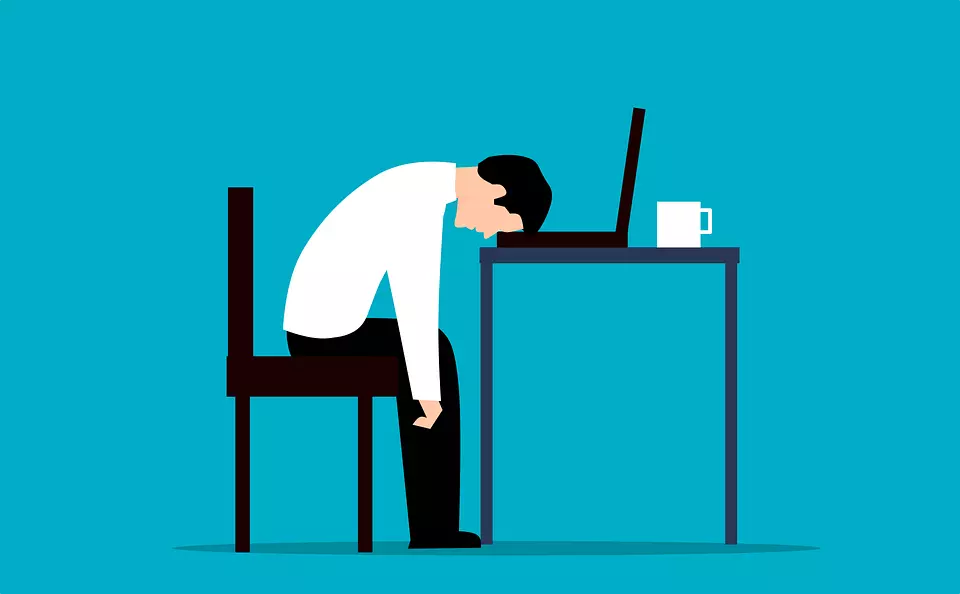
What are the causes of tennis elbow or epicondylitis?
The main cause is overload from excessive and repetitive use. That is, the act of repeatedly contracting the forearm muscles to extend or raise the hand and wrist is what ultimately produces the injury. This occurs due to small tears in the tendons that connect the forearm muscles to the bone, which eventually leads to quite painful inflammation.
The expression "tennis elbow" became famous because this condition arises especially when playing tennis without knowing the technique well, but it is also known as Mouse Syndrome because the second most common cause of this condition is the use of the computer mouse. Other movements that cause epicondylitis include:
- Painting
- Using a screwdriver
- Cooking tasks
- Sports that involve sudden movements of the forearm (darts, foosball, basketball)
Some symptoms of epicondylitis or tennis elbow
When you suffer from epicondylitis or tennis elbow, these are some of the symptoms you may have:
- You feel pain on the outer lateral part of the elbow (this is the most normal and common symptom);
- If you try to lift weight with your hand down, you feel a lot of pain;
- The more you repeat a movement, the more it hurts;
- You have lost movement in the joint;
- When you get up, you feel a lot of stiffness;
- The area becomes numb.
Additionally, there are risk factors that can make you more prone to suffer from epicondylitis or tennis elbow. As mentioned earlier, one of them is age, as those aged between 40 and 60 are more likely to suffer this injury. Another risk factor is the sport you practice, also mentioned earlier regarding certain sports that involve sudden movements, in addition to the profession (painters, bricklayers, administrators, etc.)

How to prevent epicondylitis or tennis elbow?
To avoid greater suffering due to elbow pain from epicondylitis, the first thing we need to do as soon as we suspect it is to consult a healthcare professional. Then, some aspects regarding our work environment can greatly facilitate dealing with this injury.
- First, adopt a good posture: feet aligned with the floor, looking at the screen straight ahead, straight and relaxed posture, etc.
- Take breaks every five or ten minutes for every hour of work to stretch: this will relieve stiffness in the back and joints.
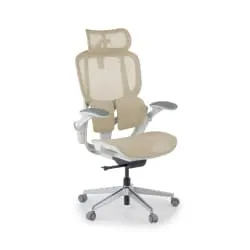
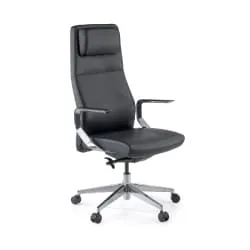
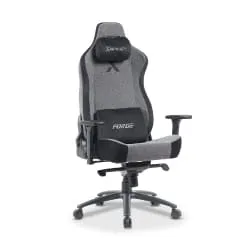
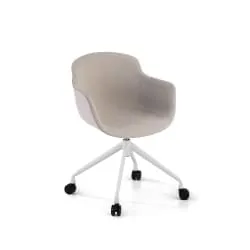
- Have an ergonomic space: ergonomics in your work environment is essential, as it is the place where you will spend most of the day. Invest in a good ergonomic chair that allows you to keep your back aligned and your elbows properly placed on the table and keyboard.
- Avoid typing with twisted wrists and keep your feet flat on the ground or on a footrest that allows you to maintain a comfortable angle for your ankles.
At Officechair365, we are experts in ergonomics for workspaces, which is why we have a unique selection of computer chairs, gaming chairs, and office supplies to prevent any injury. Visit us now on our Officechair365 website or if you prefer contact us and we will advise you on any of our products. We look forward to seeing you!


