













 Shopping guides
 Help
 Log in

How to use screens in decoration to separate spaces
Article index
If you have ever wanted to separate spaces without losing light, spaciousness, or aesthetics, folding screens can become your best ally. These elements offer a practical way to define space and provide a unique decorative touch, allowing you to play with materials, colours, and designs to harmoniously integrate them into any room.
In this article, we will tell you everything you need to know about folding screens: what they are, what types exist, how to use them effectively, and what advantages they can bring to your space. If you are looking for a simple and elegant way to transform your environment, keep reading and discover why they are one of the best options for dividing spaces without complications.
What is a folding screen?
A folding screen is a flexible structure designed to divide spaces practically, whether temporarily or permanently. Its functionality lies in its articulated design, composed of several panels connected to each other that can be unfolded or folded according to the user's needs. This feature allows you to modify the layout of a space in seconds, without the need for construction or structural changes.
What makes folding screens even more attractive is their wide variety of designs and materials. They can be found in wood, metal, glass, fabric, rattan, bamboo, or even rice paper, making them a highly adaptable option for any type of decor. From classic and rustic styles to modern and minimalist, there is a folding screen for every environment and aesthetic preference.
In addition to their dividing function, these flexible structures can serve a decorative element, adding texture, color, and personality to a space. Some models include carved details, patterns, or even translucent structures that allow light to pass through, preventing spaces from feeling visually closed off. They can also serve as a decorative backdrop, a headboard for a bed, or even as a support for hanging plants or accessories.
Thanks to their lightness and ease of mobility, folding screens are ideal for those looking for flexible solutions without long-term commitments. Whether to create a private corner in a shared room, delineate areas in open spaces, or simply add a stylish decorative element, this piece has become a functional and aesthetic option in any home or office.

When is it advisable to use folding screens?
- To separate areas without building walls.
- Create privacy zones in offices or shared rooms.
- Decorate and introduce cosy atmosphere into a room.
- Filter natural light without losing brightness.
- Hide unattractive areas, such as cables or storage.
Where to place folding screens?
- In the bedroom: To separate the sleeping area from the dressing room or desk.
- In the living room: To divide the space between the dining area and the relaxation zone.
- In offices: To provide privacy without losing the feeling of spaciousness.
- In terraces or gardens: To create an intimate corner without the need for walls.

7 examples of how to use folding screens
1. Create a cosy reading nook
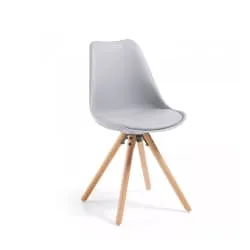
If you need a quiet space to read, a folding screen can help you delineate a small corner with an armchair and a floor lamp. Pair it with some upholstered Scandinavian chairs for an elegant touch.
2. Folding screens to divide spaces in small areas
In studio apartments, folding screens can help separate the sleeping area from the social area without losing the feeling of spaciousness. Opt for translucent screens so that light continues to flow.
3. Use plants to create separate spaces in the office
A folding screen with plant pot holders is an excellent way to separate spaces stylishly. It can be a great solution to add plants to your office decor or space.
4. Create an improvised dressing room
If you don't have a built-in wardrobe, a folding screen can be the ideal solution to create a dressing area within the bedroom without renovations.

5. Provide privacy in shared offices
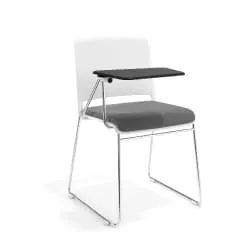
In shared workspaces, folding screens can help to limit individual areas without the need to build permanent separations. Additionally, combining them with study chairs will enhance comfort.
6. Hide storage areas
If you have a storage area that you want to keep out of sight, a decorative folding screen can be an elegant and functional solution.
7. As an original headboard in the bedroom
Using a folding screen as a bed headboard adds a unique touch to your bedroom while allowing you to easily change the design to suit your preferences.

Comparison table: Folding screens by material
Material | Advantages | Disadvantages |
Wood | Durable, aesthetic, easy to combine | Can be heavy and expensive |
Metal | Durable, modern, easy to clean | Less visually warm |
Fabric | Lightweight, economical, variety of designs | Less durable, requires more maintenance |
Glass | Elegant, lets light through | Fragile, can be expensive |
Rice paper | Lightweight, Japanese style, easy to move | Not very durable, not good for outdoors |
Folding screens offer practical solutions
As we have seen, incorporating folding screens into decor is a simple and effective way to optimise any space without the need for permanent changes. Their ability to divide environments, provide privacy, and enhance aesthetics makes them an ideal option for various settings, from homes to offices.
With a wide variety of styles, materials, and designs, folding screens allow you to play with distribution and personalise every corner according to your needs. Whether to delineate areas in small spaces or simply add a decorative touch, this versatile solution offers endless possibilities.
Explore different options and find the perfect folding screen to transform your space, making it functional and elegant. The are many possibilties, use your imagination!


