































 Shopping guides
 Help
 Log in

What is hybrid work in the hybrid office and how to implement it?
Article index
The hybrid office has established itself as one of the most sought-after work models in recent years. It combines the best of on-site work and remote work, offering greater flexibility to both companies and employees. This model responds to the need to adapt to an increasingly digitalised world, where productivity does not necessarily depend on physical presence. According to recent studies, more than 70% of workers consider that hybrid work improves their balance between personal and professional life, which directly impacts talent retention and job satisfaction.
But do you really know what a hybrid office is and how it can be applied effectively in your organisation? Understanding this concept goes beyond simply alternating between home and office - it involves a structural and cultural transformation that affects everything from physical spaces to internal processes and the way teams are led.
What a hybrid office consists of
A hybrid office is one that is designed to support a hybrid work model, in which employees alternate on-site work with remote work. Not all positions or all days are the same: some tasks require individual focus, while others benefit from direct contact and collaboration. This flexible approach allows employees to choose the place that best suits each type of task, thereby increasing productivity and creativity.
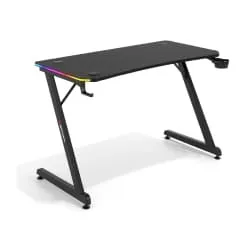
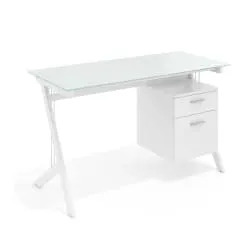
In this type of office, spaces are no longer static. Shared areas, meeting rooms, collaborative areas and flexible workstations are prioritised, instead of permanently assigned desks. That is why it becomes especially important to have the right office desks for versatile and adaptable use.
The main objective of the hybrid office is to offer an environment that fosters productivity, wellbeing and work-life balance, without losing the identity and culture of the company. For this reason, it is advisable to integrate biophilic design elements, such as natural light, plants and open spaces, that encourage creativity and reduce stress.

How to implement hybrid work in your office
Hybrid work is not just about working some days from home and others in the office. It involves rethinking spaces, processes, technology and corporate culture so that the model truly works and does not generate inequalities or coordination problems. For example, it is necessary to review the way meetings are planned: can all employees participate equally, wherever they are? It is also important to redefine how results are measured, prioritising clear and measurable objectives based on performance, and not on time spent in the office.
In addition, hybrid work offers opportunities to optimise investment in infrastructure. Companies can reduce costs in areas such as energy consumption or physical space, while fostering sustainability and responsible mobility for their employees.
Implementing hybrid work correctly requires planning and a global vision. It is not enough to allow remote work some days - it is necessary to adapt the organisation to this new way of working.
Define a clear and agreed hybrid model
The first step is to decide how hybrid work will function in your company: how many days are worked remotely, which are on-site, whether there is flexible scheduling and which teams or roles have specific needs. The clearer the model, the fewer conflicts will arise.
It is useful to involve employees in this definition, through surveys or workshops, to learn their preferences and needs. This not only generates greater acceptance, but also allows a more realistic and sustainable model to be designed.
Adapt the physical space of the office
The hybrid office needs functional and well-designed spaces. It is essential to invest in the right office chairs and ergonomic furniture that adapts to different users, since workstations are usually shared.
Space planning can include “hot desking” desks, lockers for storing belongings and clear signage about room occupancy to avoid overloads and conflicts.
Incorporate technology and digital tools
Hybrid work depends largely on technology. Communication, project management and collaboration platforms are essential to keep teams connected. Here you can discover some tools and programs for remote working that facilitate coordination between on-site and remote employees.
Ensure equity between on-site and remote employees
One of the great challenges of hybrid work is preventing those who work more from home from feeling less visible or valued. It is important to design inclusive meetings, objective evaluation processes and transparent communication channels. For example, establishing policies that require “virtual first” meetings ensures that all participants have the same level of participation.
In addition, offering training and professional development opportunities in an equitable way is key to avoiding gaps between on-site and remote employees.

Take care of the equipment for remote work
The success of the hybrid model also depends on the environment from which remote work is done. Providing or recommending good equipment for remote working helps maintain productivity and prevent health problems. Some companies even offer subsidies or remote work kits to guarantee that all employees have a suitable environment.
Foster a culture based on trust
Hybrid work only works if it is based on trust and measurement by objectives, not by on-site hours. Training leaders in hybrid team management is key so that the model is sustainable in the long term. Transparent communication, constant feedback and the celebration of collective achievements help maintain the motivation and commitment of the team.
The hybrid culture also promotes autonomy and individual responsibility, factors that increase job satisfaction and reduce absenteeism.
In short, the hybrid office represents a natural evolution of the work environment. Adopting this model is not simply a trend, but a comprehensive strategy that strengthens the productivity, innovation and wellbeing of the entire organisation. Follow the advice provided in this article, because it can become a competitive differentiating factor for your company.


