

























 Shopping guides
 Help
 Log in

How to prevent workplace risks in an office
Article index
Working in an office may seem like a safe activity, with no apparent major risks. However, the office environment also presents a series of hazards that can affect health and safety of employees if not managed properly. Occupational risks in the office are common and range from ergonomic issues to emergency situations, such as fires. It is essential for companies to have an adequate prevention plan to protect their team and improve productivity.
The importance of risk prevention in offices
Occupational risk prevention in the office is not only a legal obligation but also an investment in employee health and business efficiency. By implementing a workplace risk prevention plan, companies not only comply with regulations but also reduce absenteeism, increase worker satisfaction, and create a more productive environment.
The challenge for companies lies in balancing employee safety with operational efficiency. A well-designed and safe workplace not only protects people but also enhances productivity. Investing in safety ultimately supports business continuity and long-term success.

Most common risks in offices
In an office, employees may be exposed to various risks. Below, we detail the most common ones.
Ergonomic risks
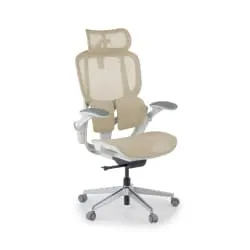
One of the main issues in offices is ergonomics. Prolonged use of computers and inadequate furniture can cause back, neck, and wrist pain. Poor posture can have long-term consequences for employees' health. To avoid this, it is recommended to use a desk chair with a headrest and to properly organise the workspace.
Visual fatigue
Another common problem is visual fatigue due to prolonged screen use. Employees who spend long hours in front of monitors may experience headaches, dry eyes, and difficulty concentrating. Inadequate lighting in the environment can also worsen this problem. To prevent it, it is essential to adjust the brightness of screens and ensure optimal lighting in the workplace.
Work-related stress
Work-related stress can severely affect both the physical and mental health of employees. Long working hours, tight deadlines, and an overload of work are factors that contribute to stress. Lack of rest and breaks can also lead to physical and mental exhaustion, which in turn affects the company's productivity.
Falls and trips
Although it may not seem like it, slips, trips and falls are among the leading causes of accidents in offices. Trailing cables, slippery floors and poorly positioned furniture can easily cause injuries. Preventing these risks requires keeping the workspace tidy and free from obstacles.
Fires and electrical hazards
Improper use of electrical equipment and overloads can cause fires in an office. Companies must have fire detection systems and extinguishers, as well as conduct regular equipment checks and drills to ensure employees know how to act in case of an emergency.
How to prevent occupational risks in offices?
Implementing risk prevention measures in the workplace is not only essential for employee safety but also key to improving efficiency and avoiding costs associated with accidents or illnesses. Below are some of the main prevention measures.
Optimising ergonomics
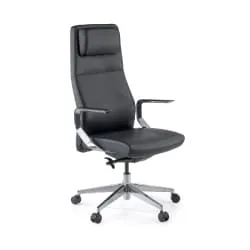
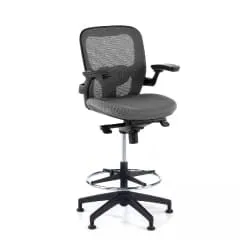
One of the most important steps to prevent risks in an office is to ensure that the furniture is appropriate. Office chairs should provide lumbar support and be adjustable. An ideal option would be a desk chair with a footrest, which allows for a healthier and more comfortable posture for those who spend many hours sitting. Additionally, it is crucial for employees to adjust the height of their chairs and monitors to avoid strain on their necks and shoulders.
Improving lighting
Proper lighting is essential to reduce visual fatigue. Natural light is always preferable, but if it is not sufficient, it should be supplemented with artificial light that does not create annoying reflections on screens. This helps prevent vision problems and headaches, improving employee comfort.
Active breaks
Incorporating active breaks during the workday is another key measure to prevent muscular and fatigue issues. These breaks consist of brief stretching exercises that help relieve accumulated tension in the body and improve blood circulation. Additionally, they allow employees to disconnect momentarily and return to their tasks with greater concentration.
Stress management
Managing stress is fundamental in any work environment. Companies should foster an environment in which employees can manage their workloads without feeling overwhelmed. Setting realistic deadlines, promoting collaboration instead of competition, and offering stress management workshops are some effective measures to reduce pressure at work.
Order and cleanliness
Keeping the work area clean and organised is one of the simplest ways to prevent accidents. Loose cables, disorganised documents, and misplaced objects are common causes of trips and falls in offices. Order not only improves safety but also contributes to a more efficient and pleasant work environment.
Emergency drills and safety equipment
To prevent fires and other related risks, it is essential to have a well-structured risk prevention plan. Offices should be equipped with extinguishers, smoke detectors, and clearly marked emergency exits. Additionally, it is advisable to conduct regular drills so that employees know how to act in case of an emergency.
Implementing these measures not only protects employees but also demonstrates the company's commitment to the safety and well-being of its staff.


