




































 Shopping guides
 Help
 Log in

How to decorate your study or work-from-home area
How to decorate your study or work-from-home area to improve concentration
Decorating your study or work-from-home area is very important for maintaining concentration and being more efficient in your daily tasks. It is not just a matter of aesthetics: the layout, lighting, desk, chair and accessories directly affect comfort and the way we work or study.
A well-organised space helps prevent distractions, keeps materials close at hand and makes spending several hours at your desk much more pleasant. Therefore, before choosing furniture or decorative elements, you should consider how the room will actually be used: studying, working from home, doing homework, preparing projects or combining several activities.
At officechair365.co.uk, we explain the importance of having a properly decorated study area at home and offer simple tips to help you make better use of the space. If you are also thinking about creating a more complete or professional office, you can find inspiration in our guide on how to decorate and design an executive office.
Article index
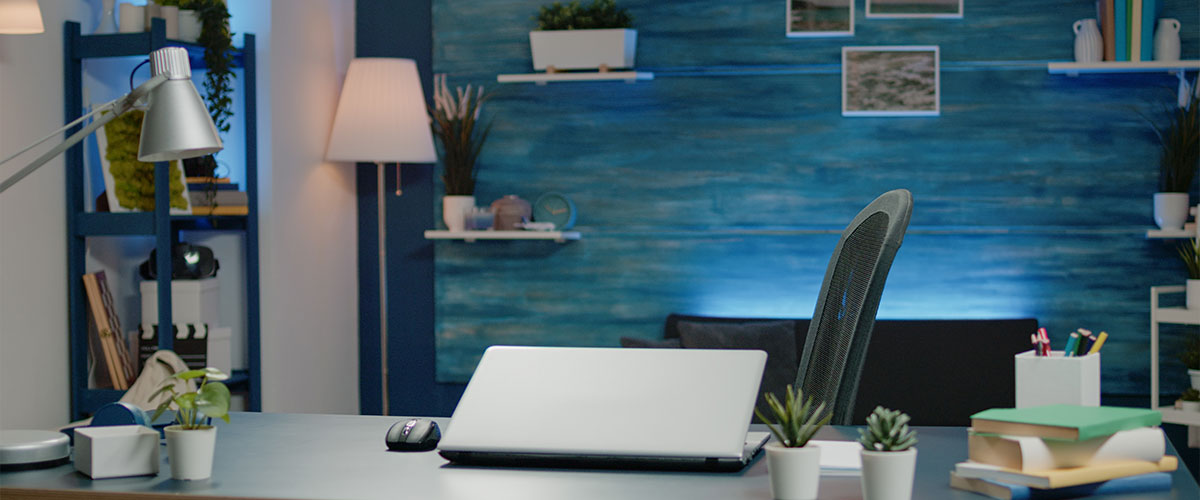
Why is it important to have a well-decorated study area?
The study area is a place where children, teenagers and adults may spend many hours throughout the week. They therefore need an environment where they can do homework, study or work comfortably, quietly and as pleasantly as possible.
Creating a quiet place free from distractions is essential for improving concentration. A room with too many objects, poor lighting or an uncomfortable chair can make it more difficult to stay focused for long periods.
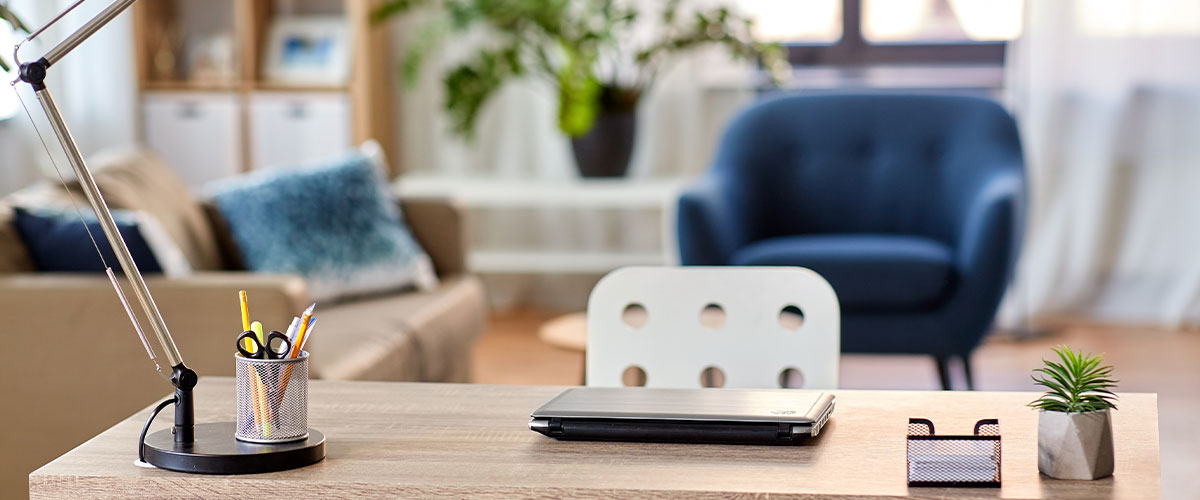
It is also important for the space to have personality. It is their study or work area and, therefore, as well as including everything they need, the design should suit their tastes, age and needs. A pleasant environment can increase motivation and make sitting down to study or work feel less like a chore.
For all these reasons, we need to pay attention to the furniture we choose, as well as other aspects such as lighting, organisation, colours and accessories. A good combination of functional office desks, comfortable chairs and storage solutions makes it possible to complete tasks more efficiently and maintain a better posture throughout the day.

Ideas for decorating a study or work area
For studying or working, techniques such as the Pomodoro Technique can help you be more efficient, but you should not overlook the fact that the décor of your study area also affects your performance. A comfortable, tidy and visually appealing space makes it easier to maintain a routine and reduces feelings of tiredness.
Before you start decorating, consider three basic aspects: how much time you will spend in the space, which materials you need to keep nearby and which style best suits the room. From there, it will be easier to choose the right furniture and accessories.
Colours that aid concentration
When decorating your study area, you should aim to create a pleasant environment that helps you stay focused. The combination of colours you use on walls, furniture, textiles and accessories has a major influence on this.
For studying, it is advisable to choose shades that promote calm, such as green or blue, which create a sense of tranquillity. These colours are suitable for spaces where sustained attention and a relaxed environment are required.
White is also a very clean colour that promotes serenity and helps make the room appear brighter. If you want to encourage creativity, you can opt for yellow, lilac or pink, preferably in pastel shades. This will add energy to the space without creating an overly garish effect.

A desk suited to your materials
The desk is one of the main elements when decorating a study or work-from-home area. You should make sure it is comfortable, stable and appropriately sized, as you need enough space for books, notes, a pencil case, computer, lamp and other everyday accessories.
If you are going to work from home for many hours, it may be a good idea to consider a larger desk or a solution designed for a computer, documents and organisation. In this case, office desks can help you create a more complete and functional workstation than an occasional table or one that is too small.
It is also important for it to be appropriately sized for your height and age, without forgetting that it must fit the available space in your bedroom, office or work corner.
The options can vary greatly: from a simple table to an L-shaped desk, a folding table or a solution integrated into the room. You will need to choose the option that best suits your needs, the available space and the type of tasks you perform each day.
A comfortable, ergonomic chair
Another essential element when decorating your work area is the chair. It is vital for it to be comfortable and ergonomic so that it adapts to your body and allows you to maintain a healthy posture for longer.
For a work-from-home or daily study area, it is advisable to choose a suitable, adjustable office chair designed to provide support during several hours of use. This will make it easier to keep your back supported, position your arms correctly and prevent discomfort caused by poor posture.
It is advisable for the chair to be height-adjustable, especially if it is used by children or teenagers who are still growing. It should also suit the dimensions of the desk and, if possible, include features such as armrests, an ergonomic backrest or a headrest.
Using a footrest can also be helpful when your feet do not comfortably reach the floor or when you need better support throughout the day. The key is for the chair, desk and accessories to work together to create a comfortable, well-proportioned workstation.

Light your study area
In a teenager's study area or a work-from-home space, it is very important to make the most of natural light. Daylight helps create a more pleasant environment and prevents the space from feeling dark or oppressive.
When decorating this space, try to position the desk near a window, while always avoiding direct reflections on the computer screen. Ideally, light should enter from the side so that you can work comfortably without straining your eyes.
However, you should also make sure that the artificial lighting is appropriate, with both direct and indirect light sources. The room's general lighting should be complemented by an adjustable lamp or desk lamp that properly illuminates the work area at any time of day.
Use organisation systems
Finally, when decorating your work area, you should consider all the materials you need: books, notebooks, sheets of paper, a pencil case, chargers, documents, a diary and other accessories. If there is no designated place for each item, the desk can quickly become cluttered.
All these materials should be well organised so that you can keep them close at hand when needed. To achieve this, it is advisable to use organisation systems such as shelves, drawer units, filing cabinets and other storage furniture. This will allow you to keep the main work surface clear and access your materials easily.
You can also add small decorative accessories, such as a plant, noticeboard or wall organiser, as long as they do not make the space feel too cluttered. The aim is for the area to be practical, but also pleasant and personalised.
Combining all these elements in an attractive and functional way is essential for decorating your study area properly. Make the most of the layout of your personal space and ensure it reflects your personality without compromising on comfort, organisation or efficiency.


