













 Shopping guides
 Help
 Log in

What is eco-friendly furniture, and why should you choose it?
Article index
We live in a time where our purchasing decisions have a direct impact on the planet. And yes, that includes the furniture we use daily. Have you ever stopped to think about the journey of that table or chair you bought? This is where eco-friendly furniture comes into play, an increasingly popular alternative in Spain and around the world.
But what makes them different? Are they really better? And what factors should we consider when choosing them? Keep reading and get ready to discover how you can help the planet without sacrificing style or comfort.
What is eco-friendly furniture
Eco-friendly furniture is designed and manufactured with the aim of minimising its environmental impact. This involves the use of sustainable materials, responsible production processes, and greater durability.
It’s not just about using wood or avoiding plastics. It’s a whole approach: from the origin of the material to what happens to the furniture when you no longer use it. That’s why when we talk about eco-friendly furniture in Spain, we refer to a trend that cares for the environment and the people who make and use it.

Production process of eco-friendly furniture
Stage | Conventional Furniture | Eco-friendly Furniture |
Raw materials | Tropical wood, petroleum-derived plastics | FSC certified wood, recycled or natural materials |
Manufacturing | High energy consumption, toxic chemicals | Clean energy, processes without hazardous emissions |
Transport | Long distances (more CO₂) | Local or regional production |
End of useful life | Difficult to recycle, polluting | Reusable, recyclable, or biodegradable |
Most common eco-friendly materials in furniture
Choosing the right materials is a fundamental step. Here are some of the most recommended and common materials for eco-friendly furniture:
- FSC or PEFC certified wood
These certifications guarantee that the wood comes from sustainably managed forests. If you buy eco-friendly wooden furniture with these labels, you are helping to protect forest resources. - Recycled and recyclable materials
From metals to recycled plastics or fabrics like synthetic leather and faux leather (when made without toxic products), every bit counts. These materials give new life to waste that would otherwise end up in landfills. - Natural finishes
Water-based varnishes, vegetable oils, and non-toxic dyes are the healthy alternative to industrial finishes full of volatile compounds. Healthier for you, and also for the environment.

Advantages of eco-friendly furniture
Now that you know how it is made and what it is made from, it’s time to explore the benefits—and there are plenty. Here’s a summary of the key advantages::
1. Lower environmental impact
This is the most obvious, but also the most important. Choosing eco-friendly furniture in Spain means reducing carbon footprint, protecting ecosystems, and generating less waste.
2. Durability and quality
Did you know that many eco-friendly furniture lasts longer than conventional ones? It’s not a coincidence. They are made with high-quality materials and techniques designed to withstand the test of time.
3. Health for you and your home
The chemicals used in traditional furniture can release toxic substances into the air (like formaldehyde). Eco-friendly furniture avoids these compounds, resulting in a cleaner and healthier environment at home.
4. Style without compromise
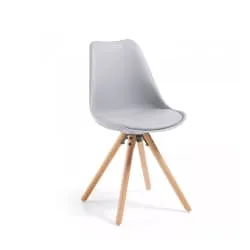
There are designs for all tastes, from rustic to modern ones. An example? This black Scandinavian chair combines minimalist aesthetics with sustainable materials. Eco-friendly is no longer at odds with beauty.

The challenges of choosing eco-friendly furniture
Not everything is perfect. There are also some challenges worth mentioning:
- Price: In some cases, eco-friendly furniture can be a bit more expensive. But be careful, they also last longer, so in the long run, it might be cheaper.
- Availability: Although there are more options every day, it’s not so easy to find ecological options in physical shops. Online stores specialising in sustainability are paving the way.
- Confusing information: Not all products marketed as “green” are truly so. Look for recognised certifications such as FSC, or seek clear information about the production process..
Is it worth it?
The quick answer: yes. Choosing eco-friendly wooden furniture is not just a statement of intent, but a real and practical way to care for the planet. Moreover, you are investing in health, durability, and design. Is it worth spending a little more if it means getting safer and more sustainable furniture? Many would say yes, without a doubt.
So, the next time you want to refresh your home, think green. Explore, compare, ask questions. And remember: every choice matters, even when it comes to that chair in the living room or the desk in the office. Eco-friendly furniture has one thing in common—it not only enhances your décor but also helps make the world a little better.


