

















 Shopping guides
 Help
 Log in

Cervical pain: what it is and how to prevent it.
Article index
It usually appears due to overloading muscles in the cervical area resulting from incorrect everyday postures or undesirable habits. Such discomfort can affect performance when driving, reading, or working, among other activities. In this article, we will detail its causes, symptoms, mention possible treatments and provide you with some guidelines for prevention.
Causes of cervical pain
The cervical vertebrae are located between the head and the thoracic spine and are responsible for moving and positioning our head in the most favorable position. The most prominent causes of cervicalgia stem from various anomalies in soft tissues, muscles, nerves, vertebrae or joints.
Sometimes this pain is localised in the neck, but other times it can extend to the back, head, or even arms. You must be aware that the cervical spine is very flexible and has to support the weight of the head. The main cause of cervical pain is usually due to injuries in the soft tissues, resulting from progressive deterioration or trauma caused by poor postures while performing daily activities.  Posture is absolutely fundamental when performing certain activities. Therefore, it is very important that you sit properly when working or eating. Similarly, this pain can also stem from poor postures while sleeping or turning the neck abruptly while exercising or having had a car accident and suffering a whiplash in the area. In more severe cases, there are other causes such as cervical arthritis, fibromyalgia, osteoporosis, torticollis, sprains, etc.
Symptoms of cervical pain
The localised pain in the neck is the most notable symptom of a problem in the cervical area, which can make this area stiff and difficult to move, just as the headache is.
However, there are other associated problems such as dizziness, which appear when changing the body's position, and, in fact, in some cases, they can be accompanied by nausea. Some people experience tingling and numbness in the fingers. We can find numerous ways in which cervical pain can manifest.
How to prevent cervical pain
To know how to combat cervical pain, it is necessary that you are aware of the importance of maintaining balance between the head and the spine. We recommend following a healthy diet and exercising daily to avoid obesity and muscle weakness in the area.
Both conditions can increase the risk of spinal misalignment, such as lumbar or dorsal curvature, and may therefore contribute to the cervical pain discussed in this article. It is also very important that you adopt a correct posture in activities where you have to bend your neck and hunch your back, as they can cause significant muscle fatigue. IIf you sit for long periods, you’ve likely experienced neck or back discomfort when getting up from your chair.
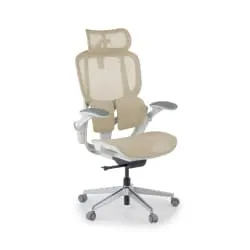
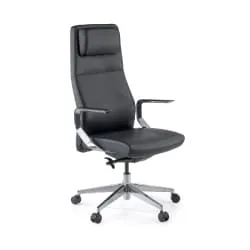
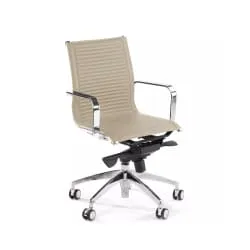
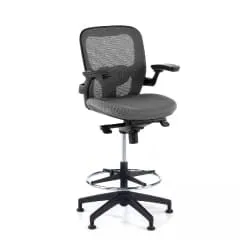
Thanks to technology, you will currently find ergonomic chairs, specially designed for people who spend eight hours of their workday sitting. 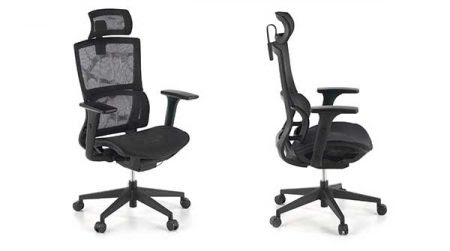 These chairs are characterised by being able to be adjusted according to your needs in height or angle of the backrest, in addition they have optimal shape to ensure a balanced distribution of pressures on your body. This way, they will allow you to perform your work more efficiently, healthily, and effectively.
Treatment for cervical pain
There is no single treatment because it will depend on the diagnosis made by a specialist. To know the state of your problem, you will need to undergo a thorough clinical examination that includes assessing your postures, cervical mobility, and locating painful areas. In some cases, it will also be necessary to evaluate your nerves and muscles, take X-rays of the neck, or tests such as a CT scan or MRI.
IIf, for example, your pain is caused by inflammation, your doctor will likely recommend rest and prescribe medication to reduce the inflammation. They may also suggest wearing a cervical collar for a set period to limit movement in the area. Physiotherapy can then help relieve neck tension and support recovery through targeted exercises, therapeutic machines, and professional treatments such as massage.
Hot water pressure showers on the neck and shoulder area for ten to fifteen minutes can help you relax tensions in the area. Also, applying a wet towel to your neck can help. However, these home remedies only serve to alleviate the consequences of the injury, never to cure them. Therefore, it is important that you visit your doctor if the pain persists beyond three or four days.
Always consult a doctor for prolonged pain
If your pain is chronic, your doctor will likely suggest you rehabilitation programs that include various physiotherapy activities help prevent stiffness while toning and relaxing the muscles. In more severe cases, such as a herniated disc, vertebral canal with significant bone narrowing, or trauma with vertebral instability, surgery may be necessary to relieve pressure on the spinal cord or nerve roots.  In all cases, we encourage you to contact your doctor so that they can provide you with an effective solution and resolve your problem before it leads to more serious issues.
In conclusion, cervical pain can stem from different causes, although the most common is adopting poor positions for a long time. Remember the importance of using an ergonomic chair if you spend many hours sitting, as it can help reduce negative effects on your posture and health.If you notice a continuous discomfort in your neck or have made a sudden turn and since then your neck has been bothering you or you suffer from any of the described symptoms, go to your doctor so they can assess you and provide an accurate diagnosis.


