













 Shopping guides
 Help
Help
 Chat
Chat
 Log in
 Change country

What features should office furniture have
Key tips for choosing practical, durable furniture adapted to the space
Choosing office furniture well is much more than picking desks, chairs or cabinets that match the aesthetics of the space. The right choice affects comfort, organisation and the way you work every day, which is why aspects such as ergonomics, the quality of the materials or the layout of the environment are essential.
Article index
Every office has its own challenges and needs. A large corporate space, a professional office, a coworking space or a home office area require different solutions to make the most of their potential.
Beyond the design, furniture should make daily tasks easier and adapt to those who use it. Below, we go over the keys to choosing practical office furniture that is durable and able to transform any workspace.

What to consider when choosing furniture for your office
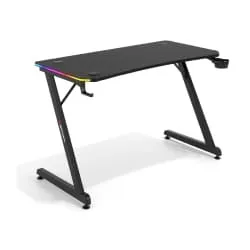
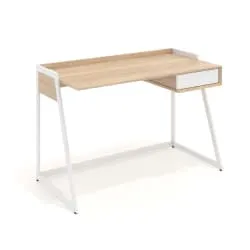
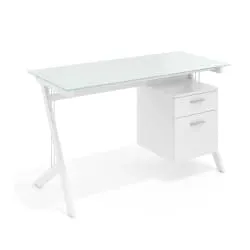
The first point is to define the workstations. Each person needs a desk with enough space, a suitable chair and a layout that makes movement easier. If you are renovating the main workstations, you can start by reviewing models of desks for functional offices.
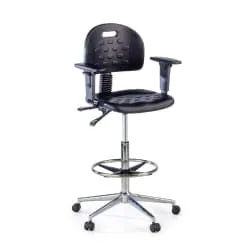
You also need to consider the type of working day. If the furniture is going to be used for many hours, ergonomics should be a priority. This guide on how to choose an office chair can help you assess aspects such as the backrest, the armrests or the height adjustment.

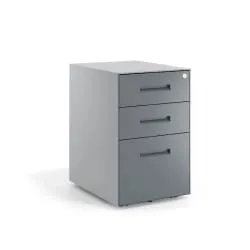
Another important aspect is storage. A tidy office makes it easier to concentrate and avoids wasting time. Drawer units, shelving, cabinets or auxiliary furniture should be chosen according to the volume of documents, materials or devices used daily.
Finally, it is worth thinking about growth. Office furniture should adapt to possible changes: new employees, reorganisation of the space, the addition of equipment or new ways of working.

Most important features that office furniture should have
Ergonomics
Ergonomics is one of the most important features of office furniture. An ergonomic piece of furniture is designed to make a comfortable and natural posture easier while working.
In the case of chairs, this means an adequate backrest, lumbar support, a comfortable seat, adjustable armrests and adjustable height. In desks, it means having the correct height, enough space for the legs and a suitable surface for the screen, keyboard, mouse and documents.
It is also important to consider the height and build of the user. Not all chairs work the same way for everyone. To explore this point further, you can check out these tips for choosing a chair according to height and weight.
Functionality
Furniture should make daily work easier and make good use of the available space. Desks with a suitable surface, accessible storage systems and practical chairs help maintain a more organised and efficient environment.
The key is to choose useful pieces and avoid unnecessary furniture that hinders mobility or overloads the office.
Strength and durability
Office chairs, desks and cabinets are designed for constant use, so they must offer strength and stability. Quality materials, solid structures and durable finishes guarantee better performance in the long term.
Investing in sturdy furniture reduces the need for replacements and improves the daily user experience.

Adaptability
Offices evolve, and furniture must be able to adapt to those changes. Modular desks, adjustable chairs and easy-to-move furniture make it possible to reorganise the space according to new needs.
This flexibility is especially important in small offices, shared spaces or hybrid work environments.
Design and visual coherence
The look of the furniture also influences the image of the office. A space with a well-cared-for aesthetic conveys professionalism and helps build a more pleasant atmosphere.
However, design should always go hand in hand with comfort and functionality so that the space is practical day to day.
Safety
Safety is another basic aspect. Furniture should be stable, sturdy and suitable for its intended use. An unstable chair, a desk with uncomfortable edges or a badly placed cabinet can cause unnecessary risks.
It is also worth checking that walkways are kept clear, that cables are well organised and that furniture does not obstruct doors, windows or exits. A comfortable office should also be safe.
In the case of chairs, correct assembly is important to avoid stability problems. If you need to do it from scratch, this guide on how to assemble and disassemble an office chair may be useful.
Ease of cleaning and maintenance
Daily use causes wear, so it is worth choosing furniture that is easy to maintain. Resistant surfaces, durable upholstery and adjustable parts help keep the furniture in good condition for longer.
Proper maintenance not only extends its useful life, but also maintains a professional image of the space.
What office furniture should be like
Office furniture should respond to the needs of those who use it. There is no single valid solution, but there are some basic principles: comfort, functionality, strength and the ability to adapt.
The features that office furniture should have go beyond design. Ergonomics, functionality, durability, adaptability, safety and maintenance are key to creating an efficient and pleasant work environment.
Choosing well from the start can improve comfort, organisation and productivity. That is why, before buying, it is worth thinking not only about how the office will look, but about how it will be lived in and worked in every day.


