














 Shopping guides
 Help
 Log in

Trends, tips, and examples for coworking design
Article index
In recent years, coworking has evolved from an emerging trend to an essential solution for freelance workers, entrepreneurs, startups, and small businesses seeking a flexible and collaborative environment. However, beyond the convenience of having a place to work without the constraints of a traditional office, there is a key factor that makes the difference between a simple workspace and a true centre of creativity and innovation: interior design.
The design of a coworking space directly influences the experience of those who use it. In this article, we will explore how strategic planning can transform a shared office into a dynamic ecosystem where innovation and inspiration go hand in hand. Join us on this journey!
Interior Design for Coworking
A good interior design for coworking offices must achieve a balance between functionality, aesthetics, and comfort to provide a stimulating and efficient work environment. It is not just about placing desks and chairs randomly, but about planning each element with a clear purpose.
The layout of the space should encourage both individual concentration and collaboration, ensuring that there are open areas for interaction and more private zones for those who need greater tranquility. Lighting, whether natural or artificial, plays an essential role in the well-being of users, while acoustics should be optimised to minimize distractions and enhance productivity. Additionally, the choice of furniture should not only prioritise comfort but also ergonomics, ensuring that those who spend long hours working do so in a healthy environment.
If you are thinking about designing a coworking space, remember to balance functionality with comfort and visual identity. Also, if you want ideas on how to decorate a small office or decorate a classroom, you can find inspiration in other solutions we propose in our magazine.
Next, we will explore some key ideas for designing coworking spaces that truly make a difference.

Decorative Styles That Fit in Coworking Areas
- Industrial: Exposed brick, visible pipes, and metal materials for a modern and urban appearance.
- Minimalist: Clear spaces with neutral colours and functional furniture.
- Scandinavian: A combination of light wood, natural light, and warm touches.
- Eco-friendly: Use of sustainable materials, plants, and biophilic designs.
The key is to choose a style that fits the community that will use the coworking space. Decoration not only defines the identity of the space but also influences the mood and productivity of those who use it.
Meeting and Call Spaces
- Soundproof phone booths: Ideal for private calls without external noise.
- Equipped meeting rooms: Spaces with screens, whiteboards, and ergonomic furniture for efficient meetings.
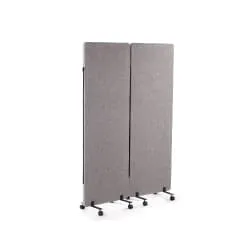
- Semi-open areas: Alternatives with dividing panels that provide some privacy without completely isolating.

Rest and Socialising Areas
- Rooms with sofas and poufs: For unwinding or working informally.
- Game areas: Ping-pong tables or video games to encourage interaction among members.
- Meditation spaces: Designed for relaxation and concentration.
Food and Café Spaces
- Equipped kitchens: With microwaves, refrigerators, and coffee makers.
- Communal tables: To encourage interaction among coworkers.
- Healthy options: Snacks and drinks that promote a balanced lifestyle.
Choosing the Right Furniture
The furniture in a coworking space must be comfortable, ergonomic, and adaptable to the needs of different users. Choosing the right furniture not only enhances the work experience but also prevents health issues related to posture and fatigue. Some essential elements include:
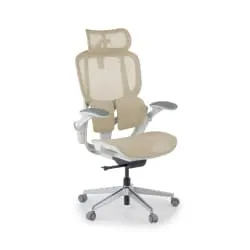
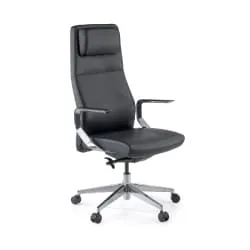
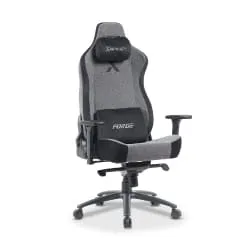
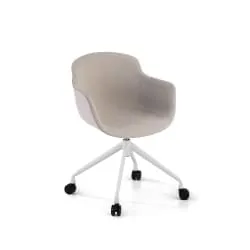
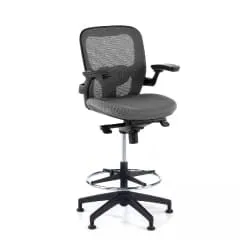
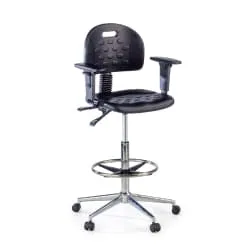
- Desk chairs: Ergonomic and adjustable for long work hours.
- Office stools: For high tables or flexible workspaces.
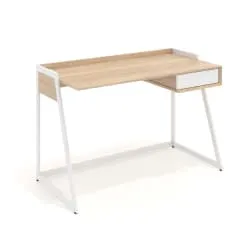
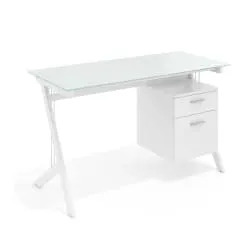
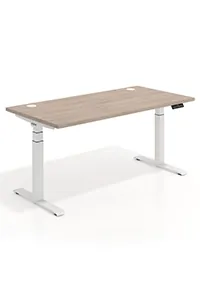
- Spacious desks: With enough space for devices and documents.
Lighting and Acoustics
The work environment in a coworking space is highly influenced by the lighting and acoustics of the space. Inadequate lighting can cause visual fatigue and affect concentration, while poor acoustic insulation can lead to distractions and reduce productivity. To optimise these aspects, it is important to consider:
- Natural lighting: Whenever possible, take advantage of windows and sunlight.
- Dimmable LED lamps: To adapt to different work needs.
- Acoustic panels: Reduce echo and improve concentration in shared spaces.

Decorate and Equip the Coworking Area
The design of coworking offices goes far beyond the visual; it is a strategic tool that influences productivity, well-being, and interaction among users. A well-planned space should not only be functional but also inspiring, fostering creativity and collaboration among professionals from different sectors. From choosing ergonomic furniture to smart space distribution, including the integration of rest and socialisation areas, every detail impacts the daily experience of those who work there.
A well-designed coworking space reinforces the sense of community, becoming a dynamic environment where connections and synergies arise naturally. By prioritising elements such as proper lighting, improved acoustics, and natural features, you can create a welcoming and stimulating environment that boosts focus and creativity.
Ultimately, a well-designed coworking space is also a vibrant ecosystem that drives the professional and personal growth of its members. Follow these tips and invest in strategic design. Transform your space into a vibrant and functional community where professionals want to be!


