















 Shopping guides
 Help
 Log in

How to decorate a classroom
Article index
- What to consider before decorating a classroom? expand_more
- Ideas for decorating a classroom expand_more
Designing a classroom is a process that goes far beyond aesthetics. It is an opportunity to create a functional and welcoming space that stimulates learning, fosters creativity, and enhances concentration. A well-decorated classroom becomes a place where students and teachers feel comfortable and motivated to achieve their goals. If you are wondering how to decorate a classroom or looking for ideas to decorate the classroom, here is a complete guide to transforming this space into an environment that combines creativity and functionality.
What to consider before decorating a classroom?
Before you begin, it is essential to analyse what this classroom needs. Every detail matters: the students’ age, the subjects being taught, the class dynamics, and even the size of the space all influence decoration decisions. Understanding these aspects will ensure that every element in the classroom serves a clear purpose.
The age of the students
One of the key factors when decorating a classroom is the age of the students. Their visual and emotional needs vary by age group, and the decoration should adapt to these differences.
- Preschool (3-6 years): The youngest need eye-catching visual stimuli to capture their attention. Use colourful and tactile classroom materials, such as animal murals, geometric shapes, and large letters. The decoration should include elements that children can touch and explore, such as interactive panels or educational toys.
- Primary (6-12 years): Primary students combine visual learning with participatory learning. Use posters that reinforce key concepts, such as maps, multiplication tables, or scientific graphs. It is also a good idea to include boards or murals where children can collaborate.
- Secondary and high school: For teenagers, opt for a more sober and functional decoration. Use neutral tones and elements that reinforce the subjects taught, such as scientific diagrams, motivational phrases, or cultural references. Here, functionality is more important than adornments.

The subject to be studied
Each subject has specific characteristics that can influence the decoration of the classroom. Personalising the space according to the subject helps students immerse themselves in the content.
- Mathematics: Include basic formulas, graphs, and diagrams on the walls. This will help students visualise abstract concepts more clearly.
- Science: Use posters of the solar system, diagrams of the human body, or illustrations of ecosystems. You can also add a corner with three-dimensional models for students to interact with.
- Art: The art classroom should inspire creativity. Use vibrant colours, murals with famous works, and an area where students can display their creations.
- Languages: A world map, motivational phrases, and basic vocabulary on the walls are excellent options to reinforce learning of new languages.
The didactic needs
The design of the classroom must adapt to the learning dynamics. Will group activities be conducted? Is it a technology classroom? Is a flexible space needed? These questions are fundamental for planning the arrangement of furniture and decorative elements.
- If the class encourages group work, arrange the tables in a U-shape or in islands. This facilitates interaction among students and creates a collaborative environment.
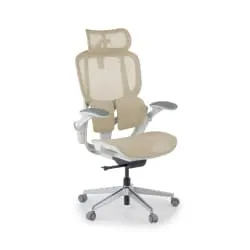
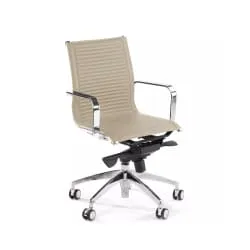
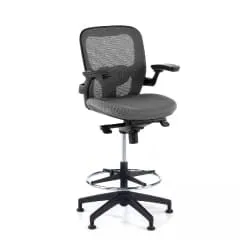
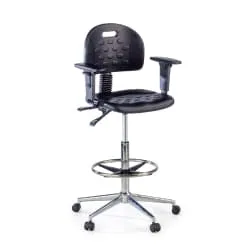
- In classrooms where technology is used, such as computers or tablets, include an area with ergonomic tables and a remote work chair that ensures the comfort and well-being of the students.
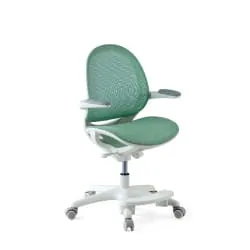
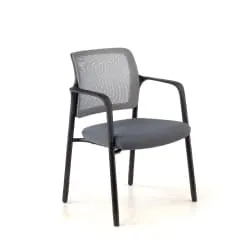
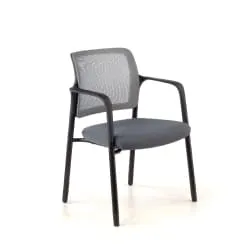
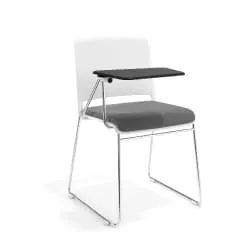
- Ensure that the furniture is ergonomic and practical. The chairs for your training centre are an ideal option to ensure comfort during long study sessions.

Ideas for decorating a classroom
Once the key factors have been analysed, it is time to implement ideas for decorating the classroom that combine creativity and functionality. Here are some practical suggestions that you can adapt according to the type of classroom.
Thematic walls
The walls of a classroom are more than a blank space; they can become educational and visual tools. Depending on the subject and the level of the students, transform the walls into interactive resources.
- In a history classroom, design a giant timeline with key events. This is not only decorative but also educational.
- For a science classroom, use murals with the water cycle, a food chain, or the periodic table.
- If you teach languages, include posters with useful vocabulary, grammar rules, and common phrases.
Additionally, use cork boards or mobile boards so that decorations can be interchangeable and adapt to different themes throughout the course.
Learning corners
Thematic corners within the classroom are an effective way to diversify activities and encourage independent learning.
- Reading corner: Place shelves full of books and add cushions or comfortable chairs. This space should be cosy and quiet.
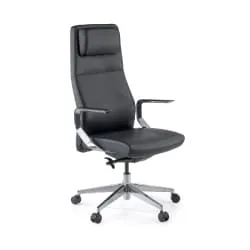
- Technology corner: Create an area with electronic devices like tablets or laptops. For these spaces, the modern desk chairs are ideal, as they combine comfort and ergonomic design.
- Creativity corner: Fill it with materials like modeling clay, coloured pencils, and paper to stimulate children's imagination.
Strategic use of colours
Colours not only decorate but also influence the mood and concentration of students. It is essential to choose tones that align with the objectives of the class.
- Warm colours (yellow, orange): Stimulate creativity and energy. Perfect for art classrooms or brainstorming spaces.
- Cool colours (blue, green): Foster calmness and concentration, ideal for study and secondary classrooms.
- Neutral colours (beige, gray): Reduce distractions and help maintain a balanced environment.
Combine these colours according to the age of the students and the purpose of the classroom. In preschool and primary classrooms, bright tones are more effective, while in secondary, neutral tones are more appropriate.
Interactive elements
Involving students in the decoration of the classroom is an excellent way to foster their sense of belonging. Some ideas include:
- Participatory murals: Students can collaborate by drawing, writing messages, or adding content related to class topics.
- Goal boards: Install a space where students can write their weekly goals or achievements. This not only motivates them but also reinforces their commitment to learning.
Comfortable and functional furniture
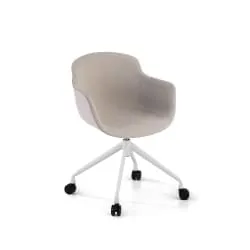
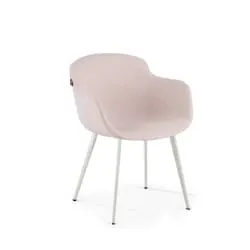
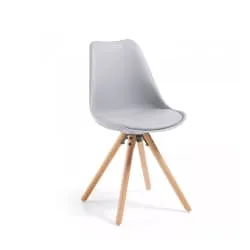
A well-designed classroom must ensure the comfort of students and teachers. Choose furniture that is ergonomic, practical, and easy to reconfigure. The youtuber chairs, for example, are ideal for technology and creative spaces. Additionally, opting for lightweight and stackable furniture makes it easier to reorganise the classroom according to scheduled activities.
With these ideas and tips, you can transform any classroom into a motivating and functional space designed to enhance students' learning and creativity. Remember that the key is to balance aesthetics with practical needs, adapting the decoration to the specific characteristics of your students and subjects.


