




































 Shopping guides
 Help
 Log in

How to decorate an estate agency office
Key considerations for creating a professional, welcoming and functional estate agency office
Decorating an estate agency office involves much more than choosing furniture and decorative elements. The space conveys trust, professionalism and approachability from the outset. It should also be comfortable for the team and pleasant for clients who come in to buy, sell or rent a property.
Article index
- Key considerations for creating a professional, welcoming and functional estate agency office
- Why décor is important in an estate agency officeexpand_more
- How to decorate an estate agency office step by stepexpand_more
- Furniture for an estate agency officeexpand_more
- Common mistakes when decorating an estate agency
- A well-decorated estate agency conveys professionalism
The décor of an estate agency office should create an organised, uncluttered and welcoming atmosphere. The layout, colours, lighting, furniture and decorative details directly influence the agency's image and the client experience.
In this guide, you will find the key considerations for decorating an estate agency office, organising its different areas and choosing functional, comfortable and attractive furniture.

Why décor is important in an estate agency office
The client's first impression
First impressions are formed in just a few seconds. The entrance, reception, waiting area and uncluttered appearance convey the agency's image before any conversation begins. A bright and tidy office creates a more pleasant experience.
The reception area should be clearly visible and easy to identify. If the space is small, it is best to avoid overly bulky furniture and opt for a simple layout. In this regard, many ideas for decorating a small office can be adapted very well to an estate agency with limited space, especially when every corner needs to be used without making the room feel cluttered.
A space that inspires trust
The décor should convey professionalism and approachability in equal measure. Neutral tones, wood, good lighting and simple details create a professional and welcoming atmosphere.
It is also important to maintain a consistent visual identity. Corporate colours, the logo, materials and furniture should follow the same style to reinforce the brand image.

How to decorate an estate agency office step by step
Define the main areas of the office
Before choosing furniture and colours, it is important to define the needs of the space. An estate agency usually includes a reception, workstations, a client consultation area, meeting space and storage.
Separating these areas improves organisation and enhances the client experience. Desks, open shelving or lightweight partitions can be used to distinguish between areas without needing to build walls.
The aim is to create a logical flow. Clients should know where to go when they enter, where to wait and where they will be assisted. This approach is essential in any functional workspace design, but it is particularly important in an office that is open to the public.
Choose a professional colour palette
Colours directly influence how the space is perceived. White, beige, light grey, sand and natural wood tones add brightness, spaciousness and a sense of order.
Corporate colours can be incorporated into pictures, vinyl graphics, chairs, lamps or small accessories. Used in moderation, they add personality and reinforce the agency's identity.
To create a warmer atmosphere, light colours combined with wood produce a welcoming and stable feel, which is particularly appropriate for a property-related business.

Pay attention to lighting
Making the most of natural light helps create a brighter space. For artificial lighting, combine a general light source with task lighting at workstations and in client consultation areas.
It is also important to control glare and shadows to make it easier to work with computers, plans and documents.
Incorporate property-related visual elements
Interior photographs, architectural images, decorative plans, maps of the local area or property display boards help visually connect the office with its business.
It is best to select just a few elements and present them carefully. An accumulation of posters and advertisements creates visual clutter and detracts from the space.
Screens can also be used to display properties, videos or virtual tours, adding interest during waiting times and meetings.
Add details that make the space more welcoming
Small details help make the office feel more inviting. Plants, pictures, rugs, decorative lamps or an occasional piece of furniture can transform a cold space into a much more pleasant environment.
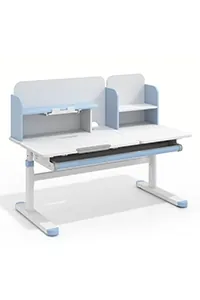
The key is not to compromise functionality. Each element should contribute something to the overall space, whether comfort, warmth or visual identity. This principle also applies to other interior design projects, such as a well-designed study area for young people, where the décor should adapt to the actual use of the space rather than focusing solely on aesthetics.

Furniture for an estate agency office
Work desks for the team
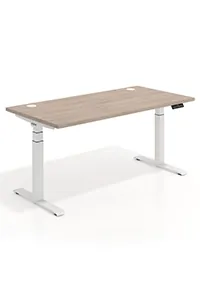
Desks should provide enough surface space for computers, telephones and documents, while also facilitating cable management. In small offices, compact models help make the most of the available space. For administrative workstations or management areas, consider functional office desks that maintain a professional appearance without compromising organisation.
Comfortable chairs for long working days
Working in an estate agency involves dealing with the public, making calls, attending viewings and spending many hours on administrative tasks. Chairs should therefore provide comfort and support throughout the working day.
Choosing ergonomic office chairs is a good way to support the team's posture and improve everyday well-being. An adjustable chair with a supportive backrest and comfortable seat helps reduce discomfort and encourages a healthier posture when working at a computer.

Client consultation area
A small meeting table, comfortable chairs and good lighting can create a pleasant space for meeting clients and reviewing documents. A separate room provides greater privacy when space allows.
Reception and waiting area
The reception area should be uncluttered, well lit and aligned with the brand's image. A waiting area with comfortable seating and a side table improves the experience from the moment clients arrive. If you want to reinforce a more executive image in private offices or rooms, elegant executive office chairs can work well in meeting areas or spaces for personalised consultations.
Document storage
Contracts, property details, plans, catalogues, keys and administrative documents require suitable storage solutions. Cupboards, drawer units and filing cabinets help keep work surfaces clear.
It is also useful to separate documents used daily from less frequently accessed files. An organised space projects a more professional image and makes the team's work easier.
Common mistakes when decorating an estate agency
Designing the office like a domestic space can reduce its functionality. The atmosphere should feel welcoming while also being equipped for meetings, calls and document management.
It is also best to avoid covering the walls with too many advertisements and photographs. A carefully curated selection creates a greater sense of order and elegance.
Furniture should be chosen with daily use, durability and comfort in mind, as well as design.
A well-decorated estate agency conveys professionalism
Decorating an estate agency office properly makes it possible to create a space that is attractive to clients and comfortable for the team. A good layout, balanced colours, carefully planned lighting, functional furniture and consistent details all help create a professional image.
The office should inspire trust from the moment clients enter. An organised, bright space designed around client needs creates a positive experience and reinforces the agency's identity.
With proper planning, even a small office can become a professional, welcoming space that is ready to support clients through major decisions such as buying, selling or renting a property.