




















 Shopping guides
 Help
Help
 Chat
Chat
 Log in
 Change country

How to effectively manage a company’s return to the office
Article index
The pandemic transformed our way of working, making remote work a predominant solution for many companies. Now, with the stabilisation of activities, managing the return to the office is a challenge that requires sensitivity, empathy, and planning to ensure a beneficial transition for both the company and its employees.
Back to the Office
Companies have adopted various strategies after the pandemic. Some have chosen to maintain total remote work, while others have decided to implement hybrid or in-person models. Each approach has its own benefits and challenges, depending on team dynamics and corporate objectives.
Remote work has allowed flexibility and savings on commuting, but it has also brought problems such as social isolation and disconnection from organisational values. In contrast, in-person work facilitates collaboration, improves communication, and fosters a stronger corporate culture, crucial aspects for creativity, engagement, and innovation.
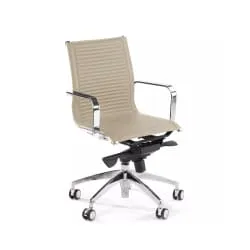
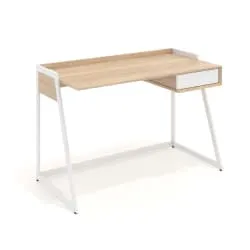
Preparing the office to be a welcoming and attractive space is key for a smooth transition. Elements like a pink desk chair can add a touch of colour and style, while the wood colours in the furniture help create a warmer, more professional, and pleasant environment.
.jpg)
How to Make Your Team Comfortable with the End of Remote Work
The transition from remote work to the in-person model can generate concerns among employees. Implementing appropriate strategies helps make this transition more manageable, efficient, and productive.
- Open and Honest Communication
Share the reasons for the change and how it is planned to be carried out. A transparent and participatory dialogue reduces tensions and fosters team trust. - Flexibility in the Process
A strategy that combines remote work days and in-person days can facilitate adaptation, especially for those who feel more resistance to change. - Optimisation of Workspaces
Provide a comfortable and functional environment, including ergonomic furniture, such as a chair for remote work, that cares for the health and well-being of employees. - Reinforce the Sense of Team
Promote activities that encourage interaction, integration, and teamwork, helping to rebuild the connection between employees and reinforcing collaboration. - Caring for Emotional Well-being
Implement emotional support programs or stress management sessions so that employees can face the transition in a healthy, positive, and motivating way.
Considerations for a Successful Transition
Managing the return to the office is not just about logistics; it is a process that involves both physical and emotional aspects. To achieve this, it is essential to design inclusive policies that consider individual needs, promoting a balance between the interests of the company and those of its employees.
Moreover, the aesthetics and functionality of the office play an essential role. The choice of furniture and the personalisation of the space can positively influence how employees perceive the return. Elements like warm colours, ergonomic details, or customised furniture create a work environment that not only improves productivity but also mood and job satisfaction.
Ultimately, the success of the transition lies in listening to employees, being flexible, and prioritising their well-being. In this way, companies can seize this opportunity to strengthen their organisational culture and foster a healthier, more dynamic, and collaborative work environment.


