












 Shopping guides
 Help
 Log in

Hot desking: what it is and why it is changing modern offices
Article index
Hot desking has become one of the most relevant trends in office design. With hybrid teams and a workforce on the move, many organisations have decided to leave the fixed desk behind and opt for flexible spaces where each person chooses their spot according to the task of the day. The goal? To reduce costs, boost collaboration and make better use of every square metre. In this guide we explain what hot desking is, why offices without fixed seats are emerging, and how to implement it successfully.
What hot desking means
The term hot desking describes the practice of changing your spot in the office instead of having a fixed workstation. Every morning you choose the place that best fits your needs: a high desk for a quick session, a quiet space to concentrate or a collaborative area to co-build with your team. There is no “my desk”, but multiple zones designed for different working modes.
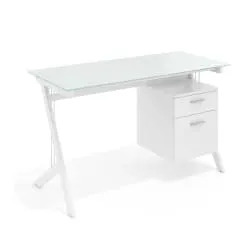
Unlike traditional models, hot desking requires clear booking processes (when necessary), tidiness and cleaning rules, and a fleet of quality office desks able to withstand intensive use by different people. Personal lockers and good connectivity solutions also help, so that sitting down and getting started is immediate.
This transformation usually goes hand in hand with informal meeting and rest areas —so-called soft seating— which foster spontaneous conversation and creative work. Everything adds up to build a more agile, human and productive ecosystem.

Why do offices without fixed seats emerge?
Offices without fixed seats emerge from the combination of hybrid work, digitalisation and a greater awareness of the cost of underused space. When part of the team works remotely, it is common for workstations to remain empty throughout the week. Hot desking reduces that unproductive “dead air” and allows square metres to be redesigned for higher-value uses (rooms, booths, creative zones, focus rooms…).
In addition, moving around the space encourages new conversations and breaks down internal silos. People who would rarely interact share a desk, and out of that come ideas, improvements and projects. In parallel, flexible environments boost the sense of belonging to a whole, and not only to a department.
Why implement hot desking in your office
Implementing hot desking in an office means embracing a new working model that responds to how the ways we relate to the workplace have changed. Far from being a simple rearrangement of desks, it is a smart strategy to optimise resources, foster interaction and raise people’s day-to-day experience. Among its most notable benefits, we find:
- Space efficiency: goodbye to empty desks gathering dust. Every workstation is used to the maximum, with a natural rotation that avoids underuse and keeps the space always in motion.
- Superior collaboration: with no assigned desks, teams mix, departments cross paths and unexpected conversations arise that would rarely happen in a static office. It is the spark of innovation in action.
- Operational agility: the office stops being rigid and takes on a changing form. Depending on the day or the project, spaces are reconfigured organically, like an ecosystem that adapts to the priorities of the moment.
- Better employee experience: choosing where to work according to the task or mood is a luxury that translates into greater wellbeing and productivity. One day it may be a quiet corner to concentrate, the next a shared desk to co-build.
- Cost optimisation: fewer square metres devoted to fixed workstations means more possibilities to reconvert the space into added-value zones: creative rooms, rest areas or corners to socialise that make the office an attractive and vibrant place.
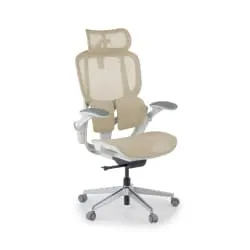
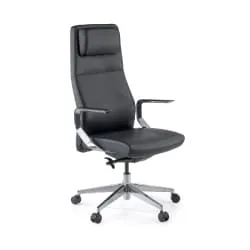
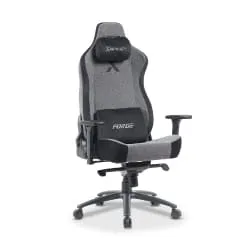
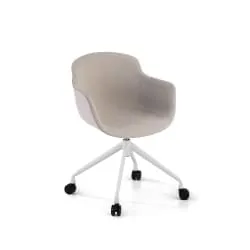
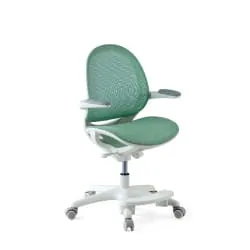
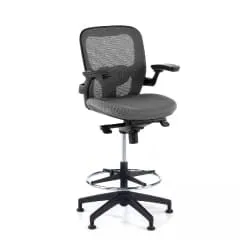
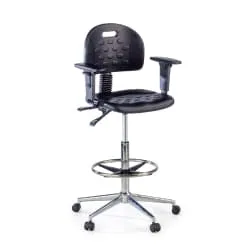
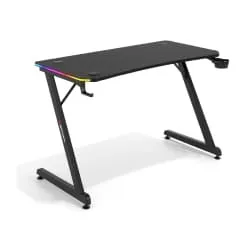
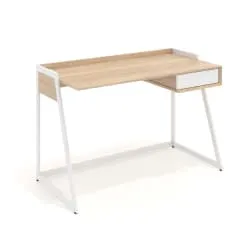
Consider incorporating quality office desks that support cabling, accessories and varied configurations. Complement them with versatile seating: a white gaming chair can provide ergonomics and comfort at intensive workstations, while conference chairs work great in quick meeting zones and collaborative spaces.

Tips for hot desking
Practical implementation makes the difference between a hot desking that dazzles on paper and one that really works day to day. Rely on these principles:
- Define simple and visible rules. Clean desk policy, usage times, quiet and conversation zones, priority in booths… What matters is that everyone knows how to act.
- Make booking easy when necessary. In high-demand areas, a booking system avoids friction. In others, free use works without any problem.
- Segment by working modes. Zones for concentration, collaboration, calls and rest. Signpost them well, reduce noise in focus areas and offer wide surfaces in collaborative ones.
- Take care of ergonomics. Adjustable heights, good supports, comfortable chairs and durable materials. Think about the diversity of users and quick posture changes throughout the day.
- Instant connectivity. Accessible power and data points, chargers, shared monitors and universal accessories. Sitting down and working must be immediate.
- Strategic soft seating. Integrate corners with sofas, armchairs and low tables for informal conversations or moments of reflection. They reduce pressure on formal rooms and improve the flow of ideas.
- Change management. Communicate the why, listen to feedback and adjust. Hot desking evolves with real use.
Quick checklist to implement hot desking
In short, implementing hot desking is not just about moving desks: it is about redesigning the way we experience the office. This final, well-thought-out checklist is the compass to do it successfully:
- Map the current occupancy and define objectives (space saving, collaboration, employee experience).
- Redesign the layout by activities: focus, collaboration, calls, rest.
- Equip with versatile, ergonomic and durable furniture (desks, chairs, lockers, soft seating).
- Establish simple usage rules and clear signage.
- Decide whether there will be workstation booking and in which zones.
- Communicate, train and gather feedback during the first weeks.
- Iterate the design according to real usage data.
Extra tip: if you are worried about the “sense of belonging” without your own desk, offer portable personal items (organisers, cases, lockers) and build shared rituals (a brief kick-off meeting, themed zones per team).


