





















 Shopping guides
 Help
 Log in

Consumable materials and their importance
Article index
The consumable materials play an essential role in any office. Although often overlooked, this type of material has a direct impact on the efficiency and daily functioning of the work environment. From pens to ink cartridges, consumable materials must be carefully selected to ensure an adequate balance between cost, quality, and sustainability.
In this article, we will explore what consumable materials are, how they differ from non-consumable ones, and how important is to choose them wisely.
What are office consumable materials?
Consumable materials refer to those products that are used and consumed quickly, requiring frequent replacement. These products do not have a long lifespan, and their constant use makes them essential items in the office.
For example, some common consumable materials in the office environment include:
- Printer and photocopier paper
- Pencils, pens, and markers
- Clips, staples, and adhesive tape
- Post-its
- Ink and toner cartridges
These products are necessary in day-to-day operations for carrying out everyday tasks. It is important to have an adequate supply of these materials to avoid interruptions in the workflow.
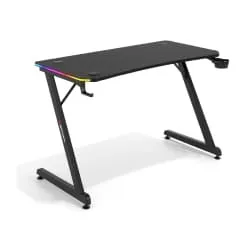
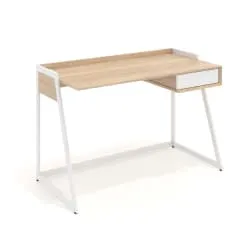
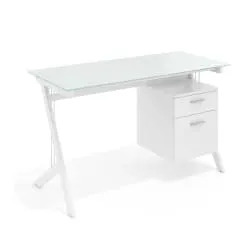
On the other hand, non-consumable materials include those items that do not require constant replacement. They are characterised by their durability and ability to be used for an extended period. Examples of these include furniture, such as a desk, or equipment like computers and projectors.
Why are consumable materials important?
Consumable materials may seem secondary in the office, but their impact on work performance is significant. Imagine a workday where you run out of pens, printer ink, or paper.
A key aspect of ensuring an efficient office is having the right supply of these materials. Additionally, their proper selection influences aspects such as durability and long-term cost. For example, buying low-quality pens may seem economical at first, but if they fail constantly, the cost of replacing them will be higher over time.
Maintaining order and organisation is also vital in this regard. An organised workspace, where materials are accessible and orderly, enhances productivity. You can find useful tips on how to organize your desk to maximise efficiency in daily work.

The importance of choosing consumable materials wisely
When choosing consumable materials, there are several factors that must be considered:
- Quality: The quality of consumable materials directly affects performance. Good quality products can last longer and provide a better user experience. For example, a high-quality ink cartridge will print more pages than a cheaper one, avoiding frequent interruptions.
- Cost: It is tempting to opt for the cheapest option when it comes to consumable materials. However, low-quality products can end up being more expensive in the long run. Constantly replacing products not only affects the budget but also disrupts the workflow.
- Availability: It is essential to ensure that there is always an adequate amount of consumable materials in the office. A lack of these products can cause unnecessary delays, directly impacting productivity.
- Sustainability: In an increasingly environmentally conscious world, choosing sustainable consumable materials has become crucial. Many companies now opt for recycled paper or refillable pens to reduce their carbon footprint. Additionally, simply implementing a recycling policy or using environmentally friendly products can enhance the company's reputation.
Consumable materials and sustainability
Today, many offices seek to be more sustainable, and the use of consumable materials is a key area where significant improvements can be made. For example, paper consumption is one of the biggest challenges in offices. Reducing unnecessary paper use benefits the environment and can lead to significant savings for the company.
Another way to promote sustainability in the office is to choose recycled or reusable products, such as refillable ink pens or recycled toner cartridges. These decisions help reduce waste and can inspire employees to adopt more responsible practices in their daily routines.
Furthermore, the work environment plays a fundamental role. Incorporating plants in the office can improve air quality and create a more pleasant space for employees. Plants not only help reduce stress but can also increase productivity and overall well-being among workers.
In summary, consumable materials are not just a practical necessity in the office, they can also become a tool to improve efficiency and contribute to a more sustainable environment. From choosing higher quality products to adopting eco-friendly practices, decisions about consumable materials have a lasting impact on productivity and team well-being.


