



















 Shopping guides
 Help
 Log in

What you need to set up a call centre
What you need to set up a call centre from scratch
Setting up a call centre requires more than simply equipping a room with telephones and computers. For it to operate properly, you need to plan the space, choose suitable furniture, have reliable technology and organise the workstations in a comfortable and efficient way.
Article index
- What you need to set up a call centre from scratch
- What a call centre is and what it does
- What you need to set up a call centre from scratchexpand_more
- Furniture and equipment required for a call centreexpand_more
- Basic call centre technology and equipmentexpand_more
- Call centre design: keys to an efficient spaceexpand_more
- Setting up a call centre requires planning, furniture and suitable technology
A call centre can handle customer service, sales, technical support, appointment management, surveys or sales follow-up. In every case, the aim is the same: to enable agents to communicate with customers clearly, quickly and professionally.
If you are wondering what you need to set up a call centre from scratch, this guide covers the most important aspects: space, furniture, equipment, technology, ergonomics and design.

What a call centre is and what it does
A call centre is a physical or virtual space from which a team manages communications with customers or users. It may handle customer service, sales, technical support, surveys, appointment management or sales follow-up.
Although each activity has its own particular requirements, they all need an environment that facilitates concentration, communication and call management.
What you need to set up a call centre from scratch
Before purchasing furniture or installing equipment, it is important to define the project's actual needs. Setting up a small call centre for five people is not the same as designing a room with dozens of operational workstations. The size of the team, the type of calls, working hours and workload will influence every decision.
Define the number of workstations
The first step is to calculate how many agents will be working at the same time. This will determine the size of the space and the number of desks, chairs, computers, headsets and connections required.
It is also advisable to allow room for future expansion and choose a layout that can be easily modified.

Choose a suitable location
The space should be accessible, comfortable and large enough for agents to work without feeling cramped. It is also important to consider ventilation, lighting, temperature and noise levels.
If the call centre is part of a larger office, it is advisable to separate it from meeting areas, break rooms or offices where silence is required. A poor location can increase distractions and make it more difficult to concentrate.
Plan the layout of the space
The layout should facilitate day-to-day work and team supervision. Workstations can be arranged in rows, islands, facing modules or departmental areas, depending on the size of the call centre and the way the team works.
As with designing an executive office, the layout should not be based solely on aesthetic criteria. It should also promote comfort, functionality and easy movement around the space.

Furniture and equipment required for a call centre
Furniture is one of the most important considerations when setting up a call centre. Agents spend many hours seated, using a computer, headset and telephone, so they need comfortable, durable and well-organised workstations.
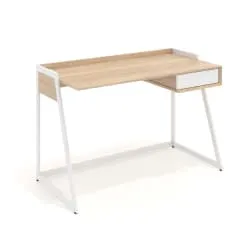
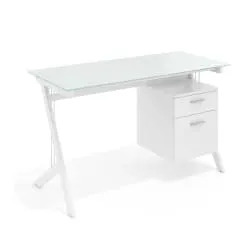
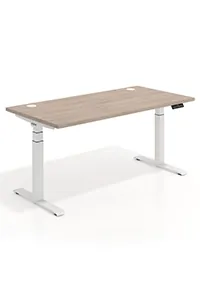
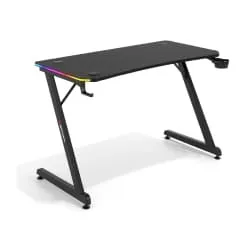
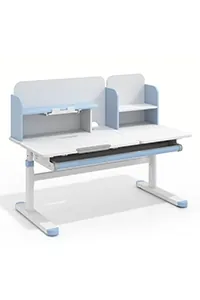
Spacious and functional desks
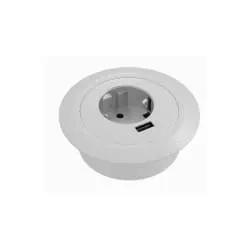
Desks should provide enough space for a monitor, keyboard, mouse and other work items, while also making cable management easier.
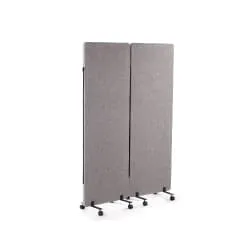
When workstations are very close together, dividers can help reduce distractions and provide some privacy without completely isolating agents.
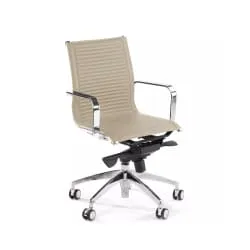
Comfortable, ergonomic chairs
In this type of environment, choosing the right office chairs is an investment in wellbeing and productivity. A poor-quality chair can cause discomfort, loss of concentration and greater fatigue at the end of the day.
Particularly for home-working setups or informal spaces, a comfortable gaming chair for long working days may also be worth considering if it offers good support, comfort and suitable adjustments for sitting for several hours.

Storage and organisation
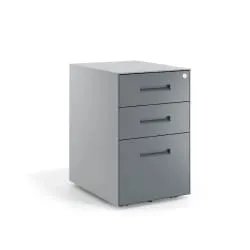
Drawer units, cabinets or shelving can be used to store documents, office supplies and spare equipment without taking up desk space. Keeping each workstation clear makes both work and cleaning easier.
Lighting and visual comfort
Lighting should be sufficient, even and comfortable to prevent eye strain. Ideally, natural light should be used whenever possible and supplemented with suitable artificial lighting.
Poor lighting can cause fatigue, headaches and reduced performance. Therefore, when designing the space, it is important to avoid direct reflections on screens and areas that are too dark.

Basic call centre technology and equipment
In addition to furniture, a call centre needs a reliable technological infrastructure. The tools should make it possible to manage calls, record information, measure results and provide fast, organised service.
Computers and monitors
Each workstation needs a computer capable of running the required software smoothly. The monitor should be positioned at a comfortable height and distance for working over extended periods.
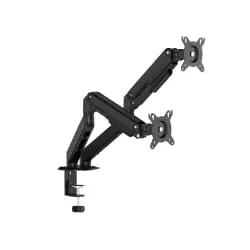
At certain workstations, using two monitors can make it quicker to consult different tools simultaneously.

Headsets with microphones
Headsets should be lightweight, comfortable and provide good sound quality. A clear microphone facilitates communication and prevents interruptions during calls.
In particularly noisy spaces, noise-cancelling models can improve both agent concentration and conversation quality.
Call management software
Software is the operational hub of a call centre. It makes it possible to receive and make calls, assign them to agents, record interactions, access customer data and measure performance indicators.
Depending on the type of business, it may be necessary to integrate the call system with a CRM, ticketing platform, sales tools or omnichannel customer service solutions.
Internet connection and telephony
The call management system makes it possible to receive and make calls, record interactions and access customer information. Depending on the activity, it can also be integrated with a CRM, sales tools or omnichannel customer service platforms.
A stable internet connection is equally essential, especially when using IP or cloud-based telephony solutions.
Call centre design: keys to an efficient space
Call centre design should balance productivity, comfort and noise control. Simply placing a large number of workstations in a room is not enough: the space should allow people to work effectively throughout the day.
Pay attention to acoustics
Noise is one of the main challenges in a call centre. Several people speaking at the same time can create an uncomfortable environment if no measures are taken. Acoustic panels, dividers, carpets or sound-absorbing ceilings can help reduce reverberation.
It is also advisable to create specific areas for meetings, training or longer calls, preventing all conversations from being concentrated in the same place.
Create break areas
Agents need breaks to switch off, rest their voices and regain concentration. A well-designed call centre should therefore include a break area separate from the operational area.
This space can be simple, but it should be pleasant. The principle is similar to that applied when decorating a room for studying: creating a comfortable, functional environment adapted to its intended use.
Facilitate supervision and internal communication
The layout should allow supervisors and agents to communicate without constantly interrupting work. Screens, whiteboards or spaces for sharing notices and objectives can also be incorporated.
Setting up a call centre requires planning, furniture and suitable technology
Setting up a call centre from scratch requires finding the right balance between space, ergonomics and technology. Well-arranged workstations, suitable chairs, reliable equipment and good noise control can make a significant difference to daily operations.
Planning these requirements before fitting out the space makes it possible to create a more comfortable environment for agents that is equipped to provide an effective service.