













 Shopping guides
 Help
 Log in

Types of office chair mechanisms
The right mechanism improves comfort and helps protect your back
Spending many hours in front of a computer can cause lower back discomfort, back tension and fatigue, especially when the chair does not move with the body's natural movements.
Therefore, if you work seated every day, it is important for your work chair to have a suitable mechanism. Not all systems offer the same level of adjustment or are designed for the same type of use: some chairs are sufficient for occasional meetings, while others are designed for intensive office work.
In this guide, we review the main types of office chair mechanisms, the functions each one offers and when you should choose them. In addition to the mechanism, other elements such as the upholstery, breathability and fabric durability also play a role; if you would like to explore this topic further, you can read our guide to materials and fabrics for office chairs.
Discover how each type of mechanism can affect your daily comfort and how to choose the most suitable one for the way you work.
Article index
Types of desk chair mechanisms
There is a wide variety of mechanisms for office chairs. Some are very simple and only allow you to adjust the height, while others offer more comprehensive adjustments to adapt the seat, backrest and tilt to the user.
Below, we present the most common mechanisms. Bear in mind that the images are for guidance only: each manufacturer may use its own designs, but the main functions are similar.
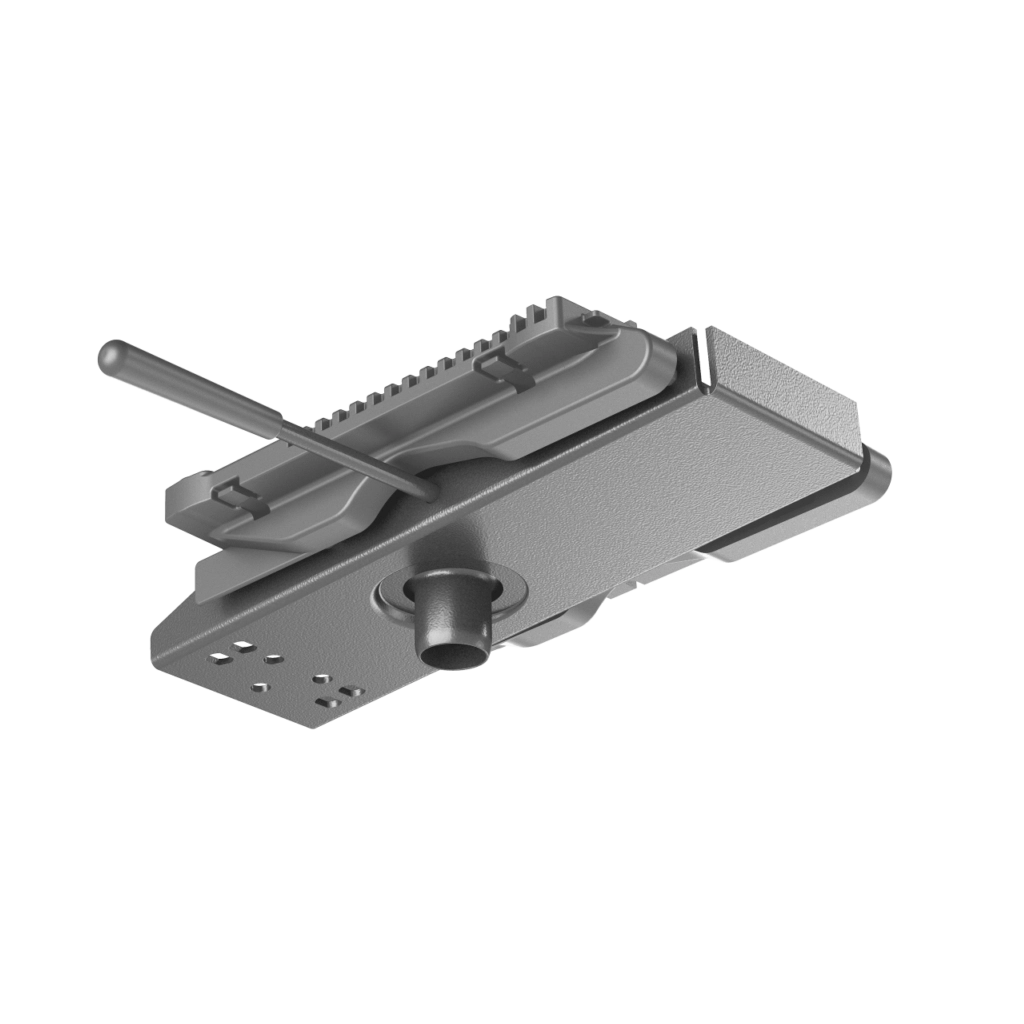
Standard mechanism (+4H)
The standard mechanism is the most basic system. It allows you to adjust the seat height, but the backrest remains fixed and does not move with your back.
This type of mechanism may be sufficient for occasional or sporadic use, but it is not the most suitable for working for many hours at a time. If you are going to use the chair every day, it is worth choosing an option with greater adjustability.
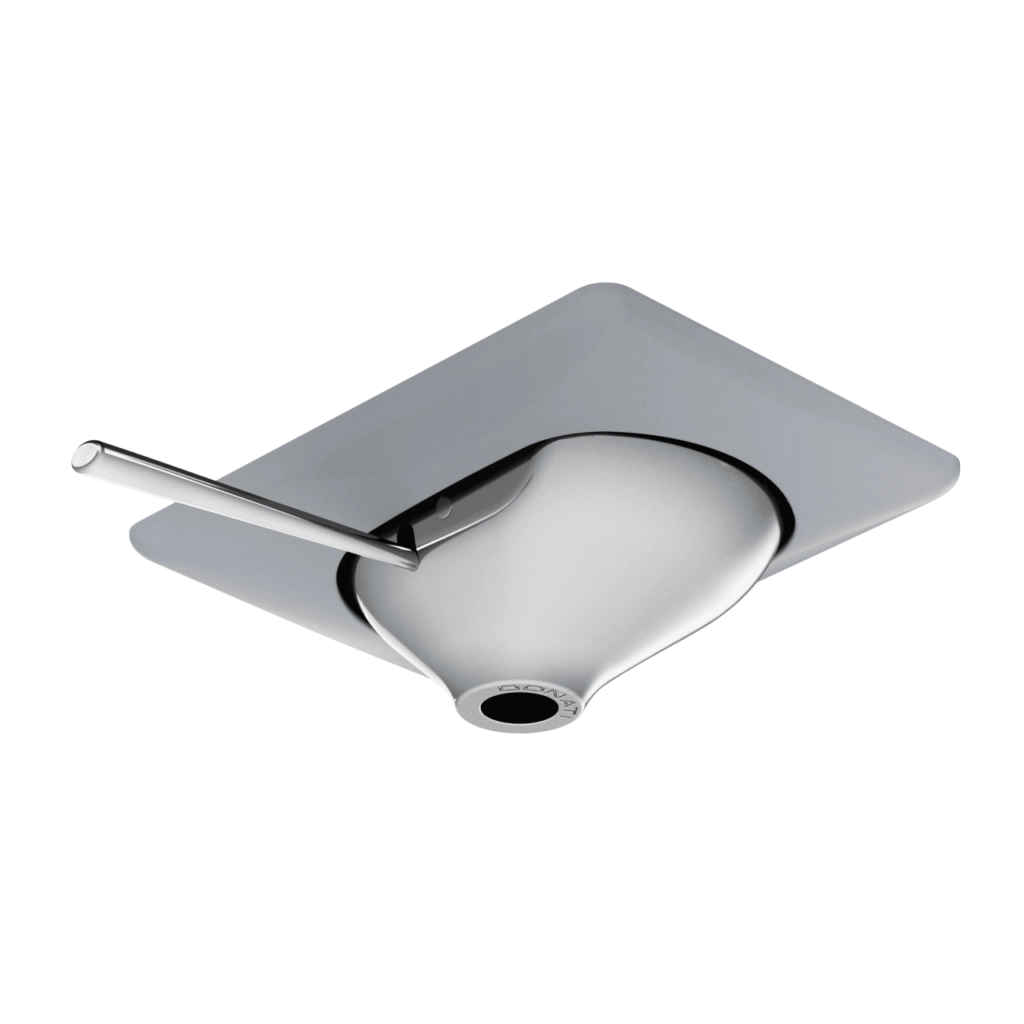
Swivel mechanism (+4H)
The swivel mechanism allows you to adjust the seat height and rotate the chair on its axis. It is commonly found in waiting rooms, meeting rooms and visitor chairs, where the user does not remain seated for an entire working day.
Although practical for short periods of use, it is not usually the best option as a primary work chair, as it offers few ergonomic adjustment options.
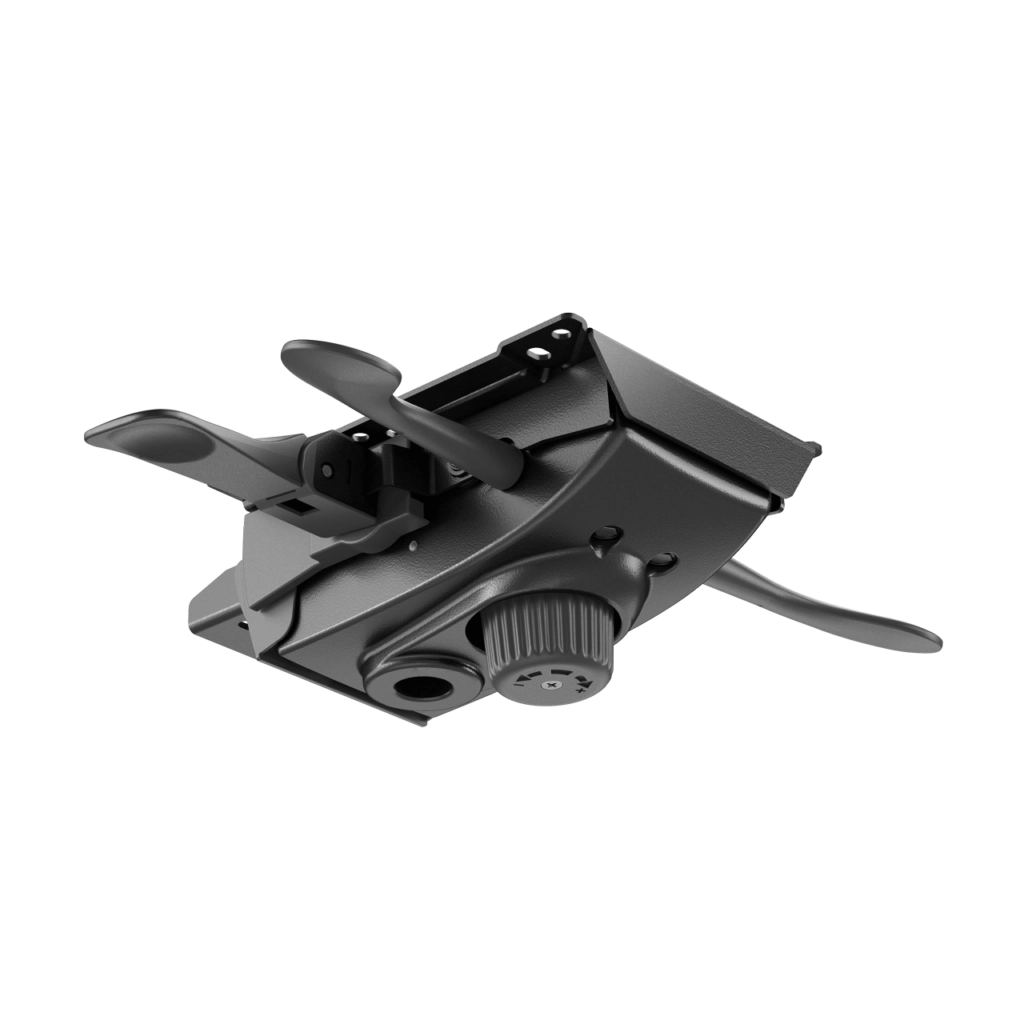
Asynchronous mechanism (+7H)
The asynchronous mechanism allows the seat and backrest to be adjusted independently. This makes it easier to find a more personalised position, as the user can change the backrest angle independently of the seat movement.
It is a more comprehensive option than basic mechanisms and may be suitable for workstations with moderate use. Even so, the chair needs to be adjusted correctly to take advantage of its benefits and avoid awkward postures.
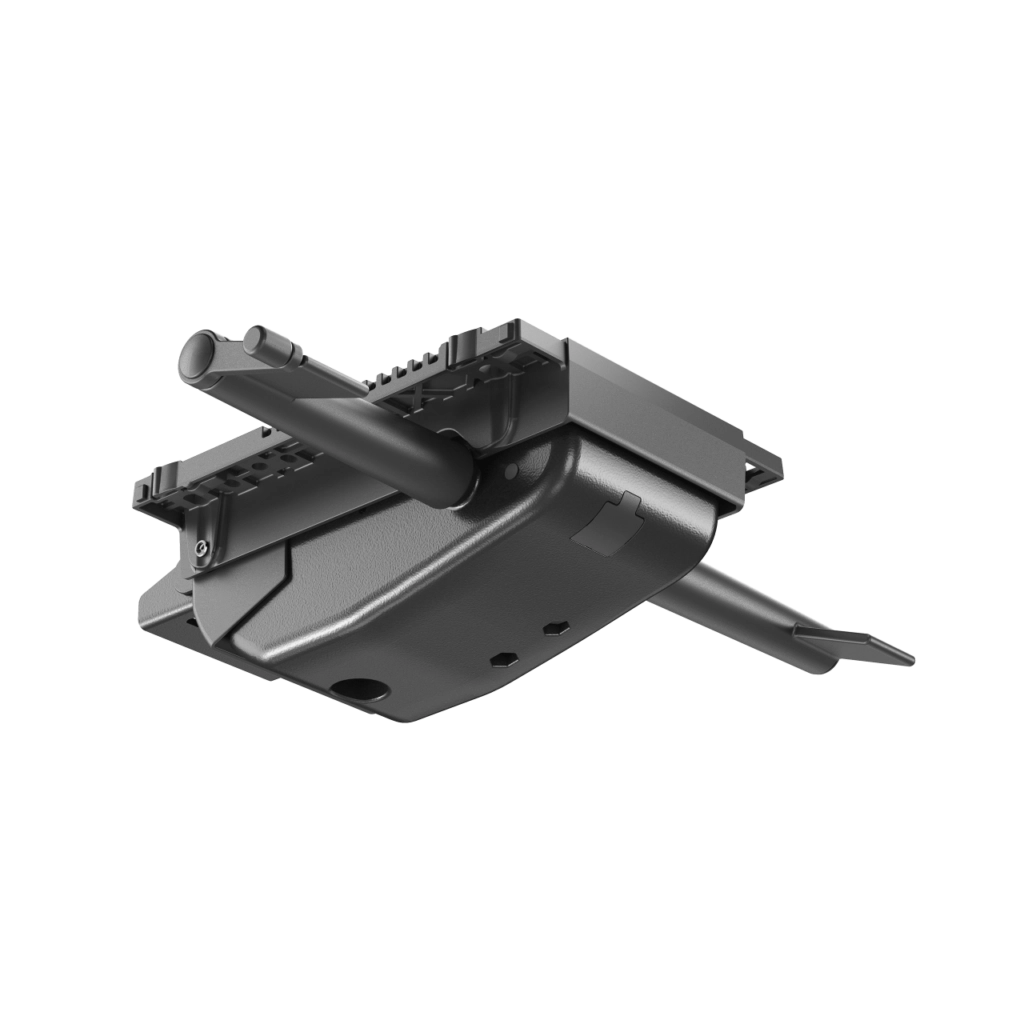
Centre-tilt mechanism (+8H)
The centre-tilt mechanism allows the chair to rock while maintaining a constant angle between the seat and backrest. The rotation point is located on the seat's natural axis, so the chair follows the body's movement with slight pressure.
It usually allows you to choose between a fixed position and rocking mode, as well as lock the seat tilt at various points along its range of movement. It is common in executive chairs and chairs designed to combine work with periods of rest.
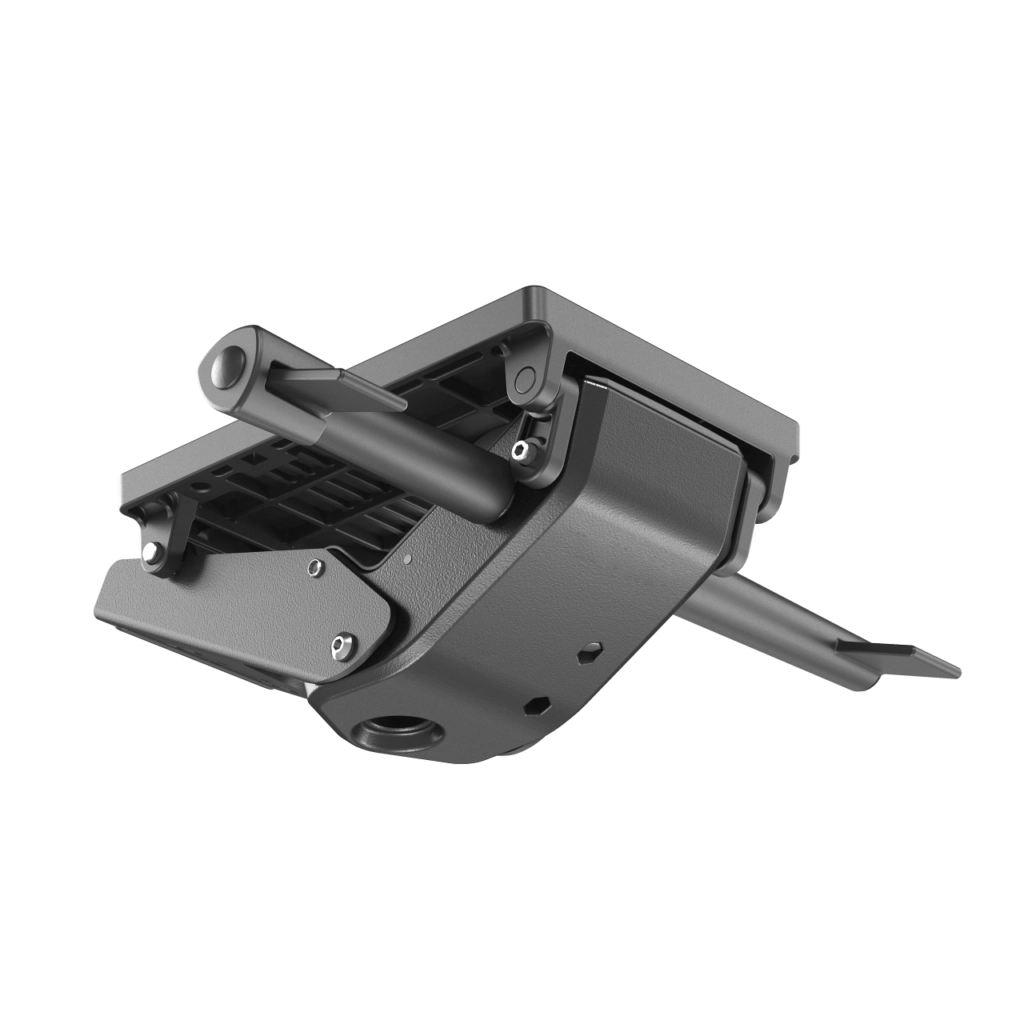
Synchronised mechanism (+8H)
The synchronised mechanism coordinates the movement of the seat and backrest. When the user leans back, the backrest follows the movement and the seat adjusts proportionally, encouraging a more natural posture.
In addition, many models include an anti-return system to prevent the backrest from striking the user's back abruptly. They also usually allow the tension to be adjusted according to the user's weight and build.
This system is one of the most suitable for people who spend many hours seated and are looking for a comfortable, stable and adaptable chair. If this is your case, you can consider models in the ergonomic chairs category.
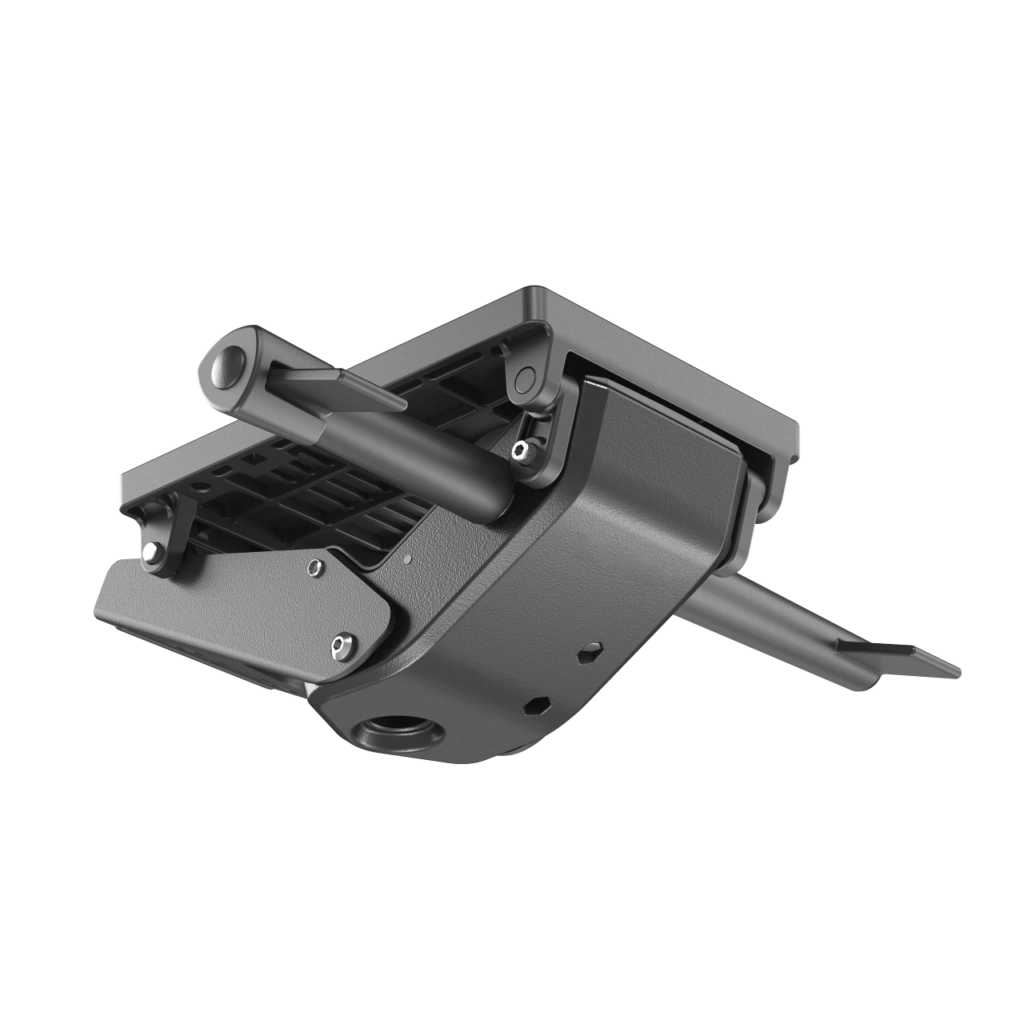
Advanced synchronised mechanism (+24H)
The advanced synchronised mechanism includes the functions of the synchronised system but adds features designed for intensive use. These may include seat depth adjustment, more precise tension settings, multi-position locking and more comprehensive anti-return safety systems.
It is an especially attractive option for operational workstations, professional offices or people who need a highly adaptable chair throughout the working day. Seat depth adjustment helps improve thigh support and maintain a more balanced posture at the desk.
Relax mechanism (+24H)
With the relax mechanism, the rotation point is located slightly forward of the chair's natural axis. This allows the front edge of the seat to remain in a more stable position when leaning back, keeping the feet in contact with the floor.
Its main advantage is that it provides a more comfortable resting position without sacrificing support or stability. This is why it is common in office armchairs, executive offices and chairs designed for alternating between work, reading and breaks.
If you are looking for a chair for prolonged professional use, do not focus solely on the mechanism. Also consider the type of backrest, the armrests, the quality of the seat and the upholstery materials to achieve a truly comfortable experience.


